 comparison
Are Custom Cellular Shades Worth the Cost?
Last Updated: November 5, 2026
Quick Summary
Custom cellular shades are worth the cost when your windows are odd-sized, sun-facing, or in bedrooms, because made-to-measure fit and double-cell construction deliver insulation and lifespan that ready-made shades cannot match. Skip them for standard-size rentals you will leave within a year.
- Three cost levers drive every quote: window size, fabric type, and single versus double-cell construction.
- A snug double-cell shade trims part of a window's heating and cooling load, not the whole thing.
- Divide installed cost by estimated annual savings to get a simple payback period in years.
- Vacuum honeycomb cells weekly on low suction and blot spots rather than rubbing or soaking the fabric.
- Divide installed cost by expected years of service to compare cost-per-year against cheaper shades.
Table of Contents
- What Cellular Shades Cost and What Drives the Price
- Custom vs. Ready-Made Cellular Shades: Where the Money Goes
- Cellular Shades Energy Savings: What the R-Value Actually Delivers
- Roller Shades vs. Cellular Shades Cost: A Like-for-Like Breakdown
- Light Filtering vs. Blackout: Choosing the Right Fabric for the Room
- Durability, Cleaning, and the Hidden Costs of Ownership
- Acoustic and Material Quality: The Angles Most Buyers Miss
- Get a Custom Cellular Shade Quote for Your Windows
- Frequently Asked Questions
What Cellular Shades Cost and What Drives the Price
Are custom cellular shades worth the cost? The honest answer is that it depends on three things: how much window you have, how extreme your sun exposure is, and how long you plan to stay.
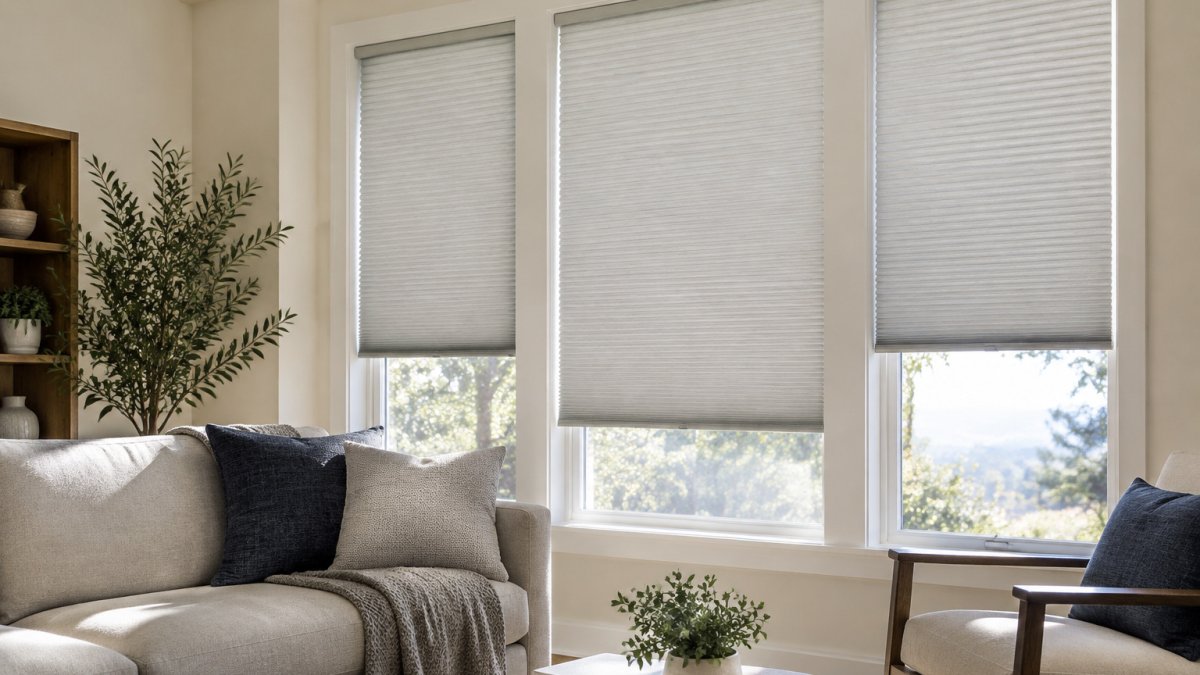
Cellular shades are window coverings built from a pleated fabric that forms hollow air pockets, called cells, which trap air between the window and the room. Those pockets are the whole point of the product.
Size, Fabric, and Cell Construction: The Three Cost Levers
Three variables drive nearly every quote we write.
- Size. Wider and taller windows need more fabric and heavier hardware. Odd-shaped or very old windows need more measuring time.
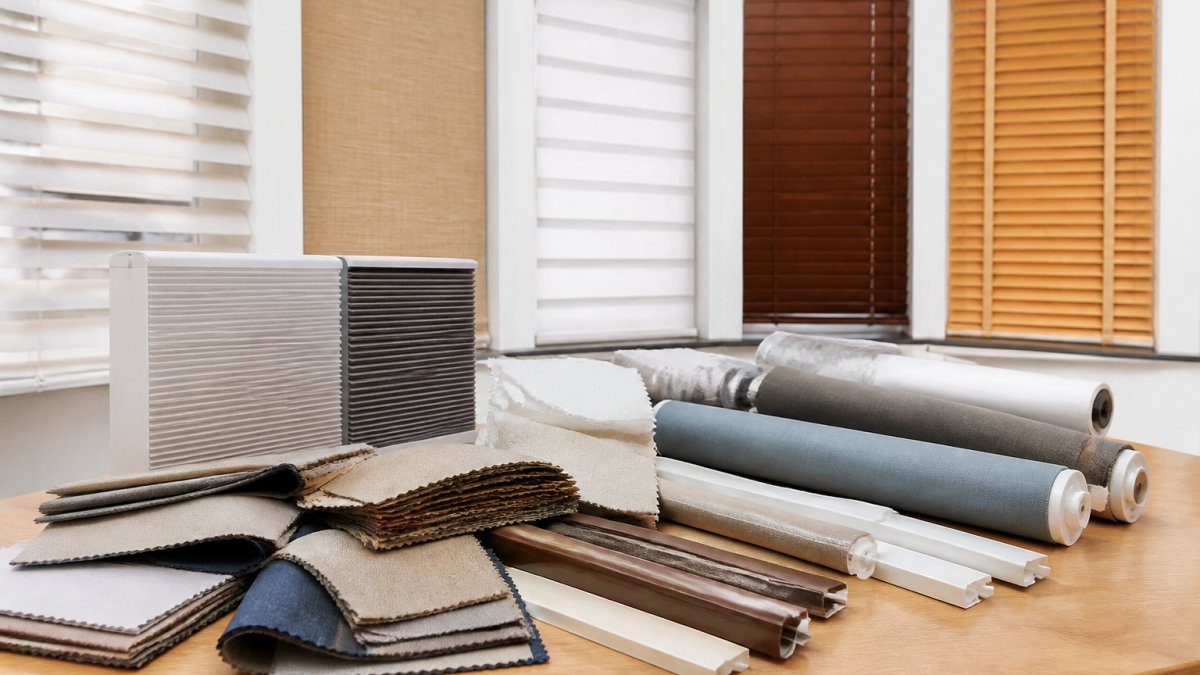
- Fabric. Basic light-filtering fabric sits at the low end. Room-darkening and blackout fabrics, plus textured or woven facing options, move the number up.
- Cell construction. Single-cell shades use one layer of pockets. Double-cell shades stack two, adding insulation and cost. Cordless lift and motorized shades add hardware cost on top.
A common mistake is comparing a single-cell, light-filtering quote against a double-cell blackout quote and concluding one company is cheaper. That is not a like-for-like comparison.
Custom vs. Ready-Made Cellular Shades: Where the Money Goes
Store-bought shades often have a lower sticker price, but they can leave gaps on windows that are not standard sizes.
Ready-made shades come in standard widths. On an old window that is slightly out of square, that gap shows up as a light leak down one side and a draft in winter.
U.S. Department of Energy guidance on window coverings notes that how a covering is mounted and fitted affects how much it actually does. For a deeper look at why the gap exists at all, read our breakdown of 3 reasons custom blinds cost more than store-bought.
Best for: older homes, arched or oversized windows, and anyone who has already fought a light gap. Skip if: you are dressing a rental you will leave in a year and the windows are standard size.
Cellular Shades Energy Savings: What the R-Value Actually Delivers
R-value is a measure of how well a material resists heat flow; higher numbers mean better insulation. Cellular shades are often valued for their trapped air pockets, which can slow heat gain in summer and heat loss in winter.
What most guides miss is that the R-value of a shade depends on the cell size, the number of cells, and how tightly it fits the frame. If energy performance is your main reason for buying, compare the numbers directly in our roller shades vs. cellular shades energy efficiency analysis before you commit.
A Payback Framework You Can Run Yourself
Here is a common way to estimate whether the upgrade pays for itself.
- Estimate the window's share of your heating and cooling bill. The share of heating and cooling energy attributable to windows varies widely with glazing quality, climate, and how leaky the frame is. Use your own utility bills to estimate it.
- Estimate the shade's contribution. A well-fitted cellular shade does not eliminate that window load, it reduces the radiant and convective flow across the glass. A snug double-cell shade generally trims part of a window's heating and cooling load, not the whole thing. Be conservative: assume the shade handles less than you hope.
- Convert to dollars. Multiply your annual heating-and-cooling spend by the window share, then by the shade's assumed contribution. That is your estimated annual savings.
- Divide the installed cost by the annual savings. The result is your simple payback period in years.
A worked example makes the logic concrete. Suppose a household spends a set amount a year on heating and cooling, a share of that is attributed to windows, and a fitted shade is assumed to cut that window load by a conservative percentage.
Watch out: payback math is only as good as the assumptions you feed it. If you assume the shade eliminates the entire window load, you will talk yourself into a purchase that never pays back.
What Moves the Number Most
- Fit. A shade mounted inside the frame with minimal gap outperforms a loose outside mount. Sealing the edges is the single biggest lever.
- Cell count. Double-cell shades add a second trapped-air layer, which raises insulation value and cost together.
- Mount side. Mounting the shade close to the glass, rather than on the trim, shortens the convective loop between glass and fabric.
- Climate. In a heating-dominated climate the shade earns its keep in winter; in a cooling-dominated climate the same shade earns it in summer. The payback period is shorter where the seasonal swing is larger.
- Utility rates. Local electricity and gas prices set the dollar value of every saved BTU. Two identical homes in different rate territories get different paybacks from the same shade.
Treat cellular shades as one layer of home climate control, not a fix for failed glazing. No shade replaces a leaky window, and no payback calculation survives a drafty frame. If your windows are single-pane or visibly leaking air, address that first, the shade's contribution is measured against whatever the window already loses.
Roller Shades vs. Cellular Shades Cost: A Like-for-Like Breakdown
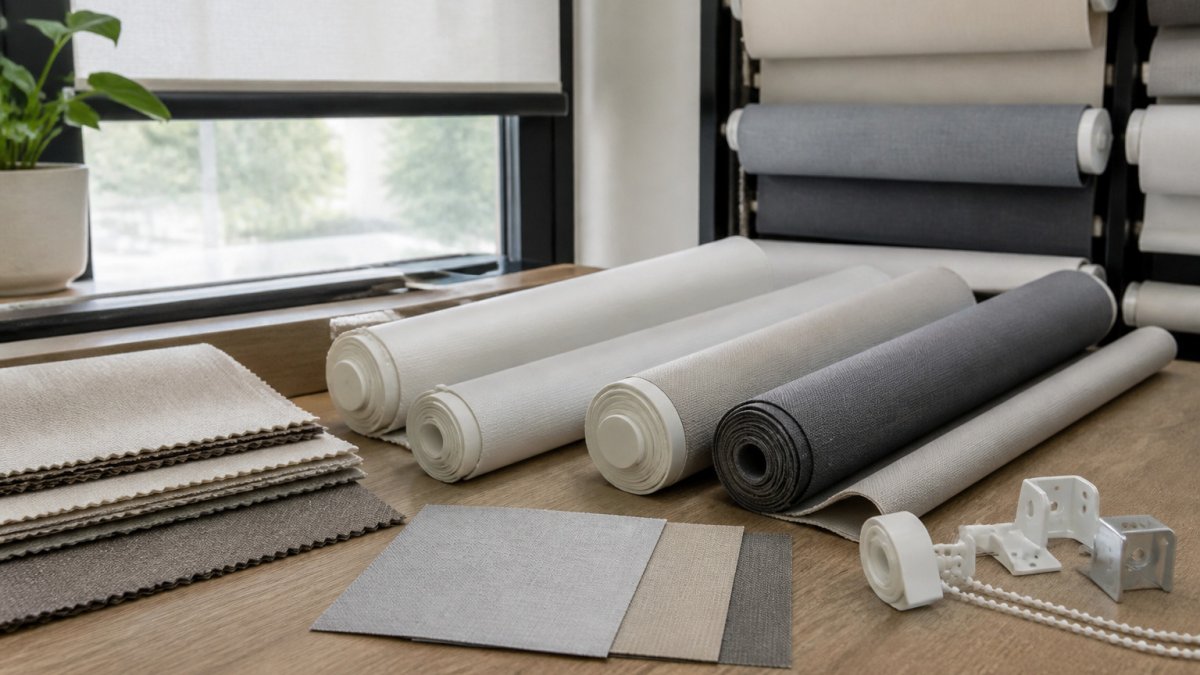
Roller shades usually cost less than cellular shades at the same window size, because a roller is one flat panel on a simple tube. Cellular shades carry more material and more assembly. Here is how the two compare on the factors that decide the price.
| Factor | Roller Shades | Cellular Shades |
|---|---|---|
| Fabric complexity | Single flat panel | Pleated honeycomb cells |
| Insulation value | Low to moderate | Moderate to high |
| Light control | Good with blackout fabric | Excellent, with top-down options |
| Stack height when open | Compact | Compact |
| Typical cost position | Lower | Higher |
| Best for | Clean modern look, large windows | Bedrooms, sun-facing rooms, privacy |
Neither is "better." A roller is the smarter buy for a big picture window where you want an uncluttered line. A cellular shade earns its price in a bedroom or a west-facing room that overheats.
Light Filtering vs. Blackout: Choosing the Right Fabric for the Room
Fabric choice changes both the price and the daily experience. Light-filtering cellular shades soften glare while letting daylight through, which suits living rooms and kitchens. Room-darkening shades cut most incoming light. Blackout shades block the rest, and they cost more because the fabric is denser and often lined.
For bedrooms, blackout is usually the right call, especially if anyone in the house works nights. Our best blackout shades for bedrooms guide walks through the fabric options in detail.
Durability, Cleaning, and the Hidden Costs of Ownership
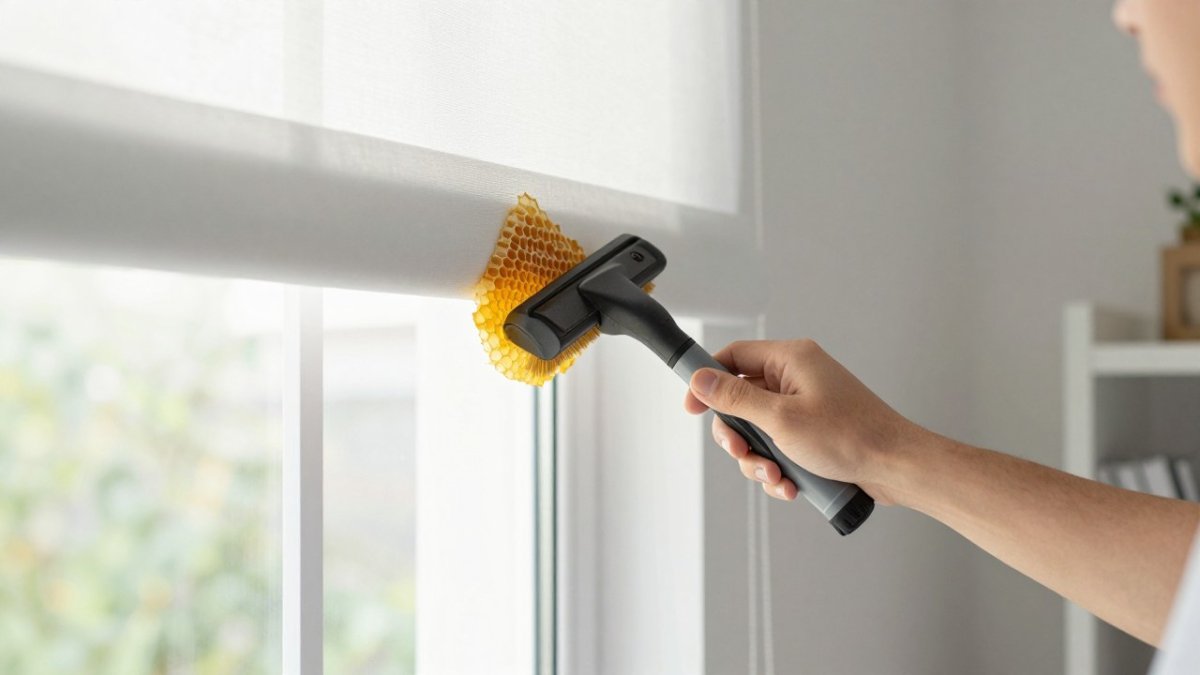
The purchase price is not the whole cost. Cellular shades hold up well when cared for, but the honeycomb cells collect dust, and dusty cells dull the fabric and reduce airflow through the pockets. Most guides wave at this problem with a one-line "dust regularly" and move on.
A Real Cleaning Protocol for Honeycomb Cells
The cells trap dust on their inner faces, where a feather duster cannot reach. The workable routine has three tiers.
Weekly, light touch. Lower the shade fully and run a vacuum brush attachment on low suction across the face, working top to bottom.
Spot cleaning. Blot, do not rub, marks with a damp cloth and a mild dish soap solution, then blot dry immediately.
Material Grades: Why the Price Spread Is So Wide
The gap between an entry-level shade and a premium one is mostly fabric, and the difference is invisible on a spec sheet.
- Entry-level polyester. Light, inexpensive, and prone to fading on a sun-blasted window within a few seasons. The pleats soften faster, and the shade begins to hang unevenly.
- Mid-grade woven and non-woven fabrics. Denser construction holds the crease longer and resists fading better. This is the grade most custom orders land in.
- High-end non-woven and specialty fabrics. Heavier hand, crisper pleats, and better color retention. The premium is real, and it shows up years later on a south- or west-facing wall.
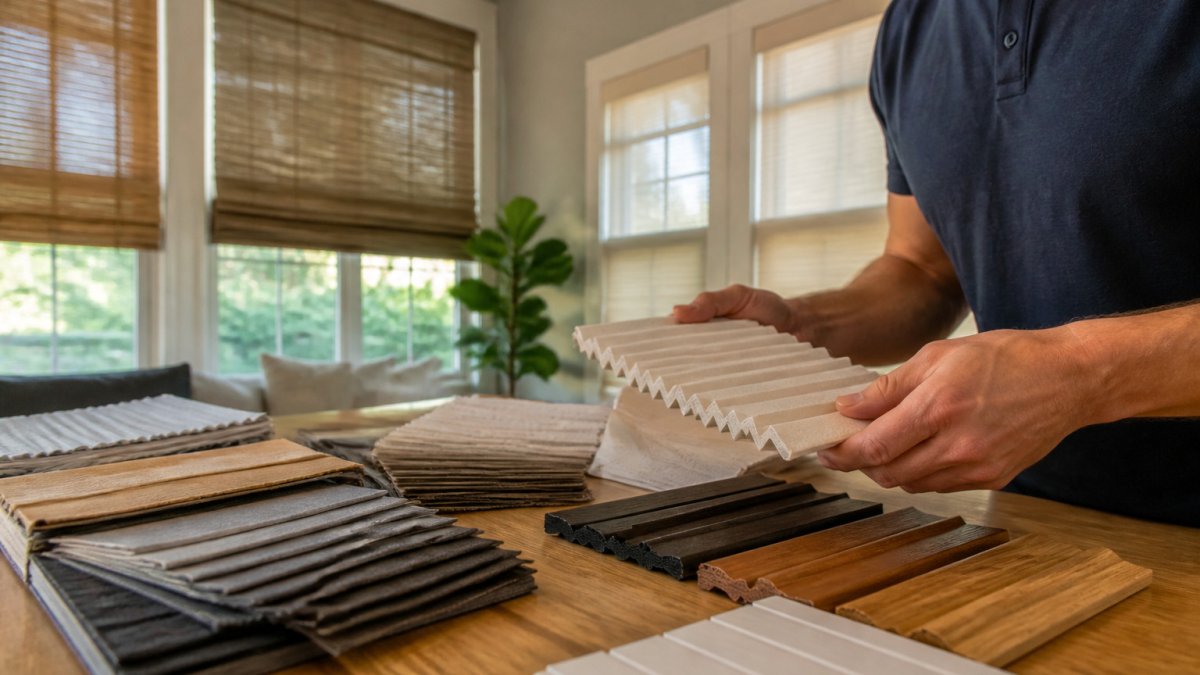
Look at three things when you compare quotes: fabric weight, the stiffness of the cell pleats, and the hardware. Cheap pleats sag over time and the shade stops stacking evenly. Better fabric holds its crease, which is why the shade still looks crisp years in. This is where a custom order separates itself from a bargain bin purchase.
Lifespan and the Replacement Math
A well-made cellular shade, cleaned on the routine above and operated by its handle, commonly lasts many years; the fabric and the lift mechanism tend to fail on different schedules.
Run the comparison the way you would run the energy payback: divide the installed cost by the expected years of service to get a cost-per-year figure, then compare that against the cost-per-year of a cheaper shade you expect to replace sooner.
If you have questions about care or lifespan, our frequently asked questions page covers the common ones.
Acoustic and Material Quality: The Angles Most Buyers Miss
Two benefits rarely appear on a sales sheet: sound and material quality.
Fabric weight, the stiffness of the cell pleats, and the hardware all affect how a shade wears over time. Choosing a shade involves weighing these factors against price.
Get a Custom Cellular Shade Quote for Your Windows
The real question is not whether custom cellular shades cost more. It is whether the fit, insulation, and lifespan justify the difference on your specific windows. On odd sizes, sun-facing rooms, and bedrooms, they usually do.
Towersunitedblinds offers roller, wooden, cellular, and Roman shades, with options tailored to your home's style and functional needs. Browse the full collection in our window coverings catalog and visit the Towersunitedblinds website for current pricing or a quote.
Frequently Asked Questions
Are custom cellular shades worth the extra cost over ready-made shades?
Custom cellular shades cost more because they are cut to your exact window dimensions, which eliminates the light gaps and sagging that ready-made shades often leave behind. The trade-off may suit windows that are odd sizes, or when you want a specific fabric or cell construction. For standard windows in a rental, ready-made may be the smarter spend.
How much should cellular shades cost?
Cellular shades cost varies with window size, fabric choice, cell construction, and the operating system you pick. Single-cell shades generally cost less than double-cell, and motorized lift systems add to the total. Because pricing depends on your specific measurements and configuration, the most reliable number comes from a quote based on your windows rather than a generic online estimate.
Do cellular shades help reduce heating and cooling costs?
Cellular shades trap air in their honeycomb pockets, which can slow heat loss in winter and heat gain in summer. The actual savings depend on your window efficiency, climate, and how consistently you raise and lower the shades, so treat energy claims as a range rather than a guaranteed figure.
How long do cellular shades typically last?
Fabric durability depends on UV exposure and whether the shade sits in direct sun. Regular care and the choice of lift mechanism can affect how the hardware holds up over time.
Are cellular shades better than roller shades?
They solve different problems. Roller shades cost less and suit large windows and modern rooms where a clean, flat profile matters. Cellular shades insulate, soften sound, and offer light filtering or blackout options, which makes them better for bedrooms and rooms with temperature swings. If energy efficiency and privacy drive your decision, cellular shades may be worth considering.
Ready to stop guessing about fit and light gaps? Get started with Towersunitedblinds and enjoy energy efficiency, enhanced privacy, and shades that still look sharp years from now. Call us today.