 comparison
Budget Blinds Alternatives for Custom Shades
Table of Contents
- Why Homeowners Search for Budget Blinds Alternatives
- Roller Shades: Simple, Durable, and Cost-Effective
- Cellular Shades: Energy Efficiency on a Budget
- Roman Shades and Woven Wood: Affordable Custom Window Shades
- Curtains and Drapes: Flexible, Budget-Friendly Alternatives
- Custom Window Shades: Installation, Measuring, and Service Comparison
- Custom Shade Installation: What to Expect and How Costs Differ
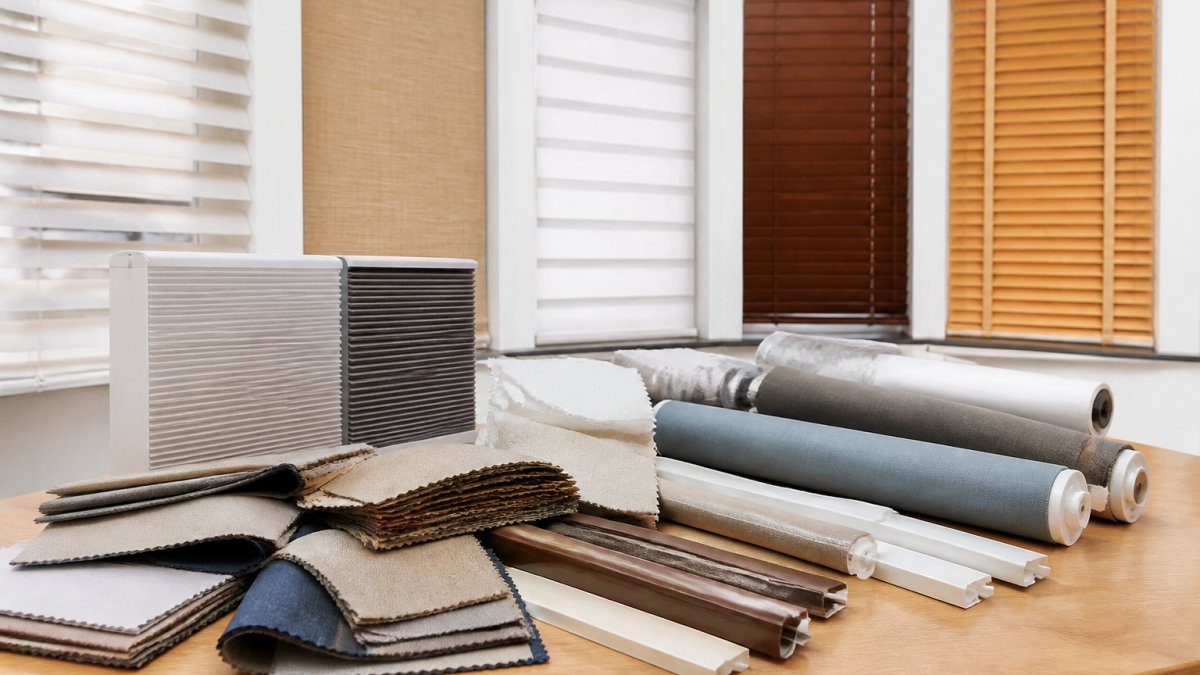
- Comparison Table: Shade Types, Features, and Value
- Frequently Asked Questions
Last Updated: October 19, 2026
Why Homeowners Search for Budget Blinds Alternatives
When homeowners start looking at custom window shades, the first thing they notice is the price tag. Budget Blinds and similar services promise tailored solutions, but the cost can feel steep when you're furnishing multiple rooms or working with an older home that has dozens of windows. That's where budget blinds alternatives for custom shades come in. A range of window coverings can deliver the style, privacy, and energy efficiency you want without the premium price.
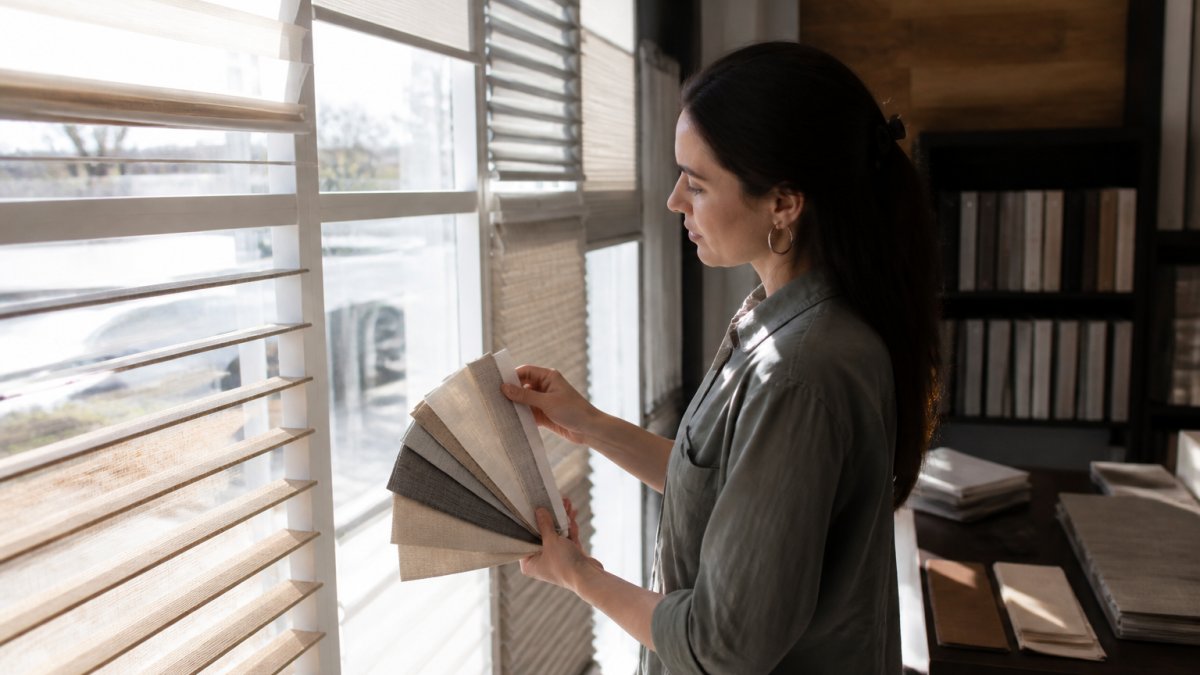
At Towersunitedblinds, we've worked with homeowners across Oregon who started by comparing options. Some are ready-made products you can install yourself. Others are semi-custom solutions that let you control costs by choosing where to invest. The key is understanding what each type offers and matching it to your actual needs.
This guide breaks down the most practical budget blinds alternatives for custom shades, from roller and cellular shades to Roman styles and even strategic use of curtains. We'll show you how installation, measuring, and service differ across options so you can make a choice that fits both your budget and your home.
Roller Shades: Simple, Durable, and Cost-Effective
Roller shades are the workhorse of affordable window treatments. They're straightforward: fabric wrapped around a tube that rolls up and down. No cords, no complicated mechanisms. They work in nearly every room and come in hundreds of colors and textures.
The appeal is practical. Roller shades mount quickly, either inside or outside your window frame. They take up minimal space when raised, giving you a clean look and maximum natural light when you want it.
Durability matters when you're watching costs. Quality roller shades hold up well to regular use. The fabric resists fading better than some alternatives, and the mechanism is simple enough that repairs are usually straightforward. If a cord breaks or the fabric tears, replacement parts are affordable.
The trade-off: roller shades are functional, not decorative. If you're after soft folds or a tailored look, they won't deliver that. They're also a single-layer solution, so if you want layered light control or the ability to filter light while keeping full privacy, you'd need to pair them with something else.
Cellular Shades: Energy Efficiency on a Budget
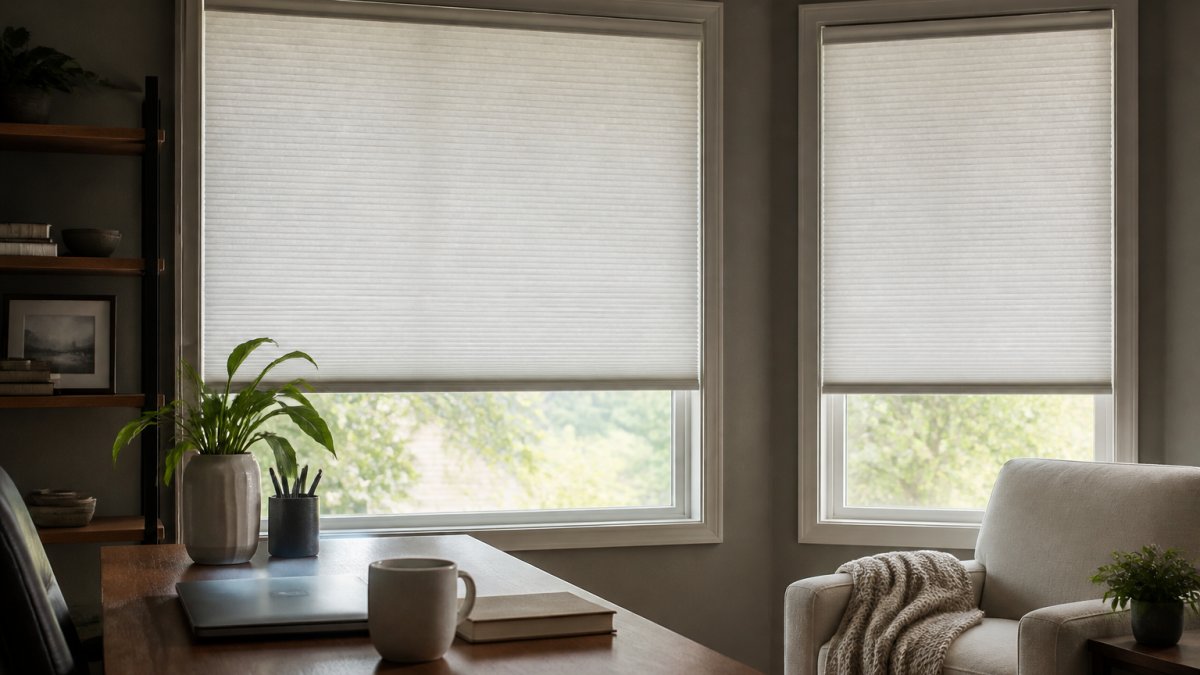
Cellular shades, also called honeycomb shades, trap air in small pockets within the fabric. That air acts as insulation, which means your home stays warmer in winter and cooler in summer. If energy efficiency matters to you, and it should, given how much heating and cooling costs, cellular shades deliver real value.
They're available in single-cell and double-cell designs. Double-cell shades offer better insulation but cost more. For most homes, single-cell cellular shades hit the sweet spot between performance and price. They come in light-filtering and blackout options, so you can choose how much light you want to let through.
Installation is similar to roller shades: straightforward enough for a confident DIYer, or you can hire someone locally. The mechanism is durable, and the fabric is forgiving, small marks or dust don't show as easily as they do on smooth roller shade fabric.
The downside: cellular shades show dust more in the creases, so they need regular gentle cleaning. The pleated structure also means they take up slightly more space at the top of your window when raised.
Roman Shades and Woven Wood: Affordable Custom Window Shades
Roman shades fold into horizontal pleats when raised, creating a tailored, finished look. They're softer and more decorative than roller or cellular shades, which appeals to homeowners who want their window treatments to feel intentional rather than purely functional.
The appeal of Roman shades is visual. They add texture and dimension to a room. Woven wood shades, made from bamboo, jute, or other natural materials, bring warmth and an organic feel.
Here's the practical part: ready-made Roman and woven wood shades are widely available at moderate prices. You can find them in standard sizes at home improvement retailers, online marketplaces, and specialty window treatment stores.
The trade-off comes when your windows are non-standard. If you have an oddly shaped window, a very large opening, or specific color requirements, you'll need semi-custom or fully custom options, which push costs up.
Maintenance is straightforward but requires care. Woven wood shades can collect dust in the weave, so gentle vacuuming or dusting is needed regularly. Roman shade fabric can fade in direct sunlight over time, so consider UV-protective liners if the shade gets intense afternoon light.
Curtains and Drapes: Flexible, Budget-Friendly Alternatives
Curtains and drapes are the most flexible window treatment option. They work in virtually any room, they're available in endless fabrics and colors, and they can be layered for both function and style.
The cost advantage is real. If you want custom length or width, you can have them sewn affordably by a local seamstress or alterations shop, often for less than the cost of custom shades.
Functionally, curtains deliver. Blackout-lined curtains block light effectively. Sheer curtains provide daytime privacy while letting light through. You can layer them, sheer panels during the day, blackout panels at night, for flexible light and privacy control. They also offer some insulation value, though not as much as cellular shades.
The practical considerations: curtains need regular washing or dry cleaning, which adds maintenance cost and effort over time. They also collect dust more readily than hard-surface shades. Heavy curtains require sturdy rods and brackets, and installation is more involved than simple shade mounting.
For renters or anyone hesitant about permanent installation, curtains are ideal. They're also the best choice if you want to change your window treatment style seasonally or frequently.
Custom Window Shades: Installation, Measuring, and Service Comparison
When you choose custom shades, whether through a local provider like Towersunitedblinds or a national service, you're paying for three things: precise measurement, fabrication to your exact specifications, and professional installation.
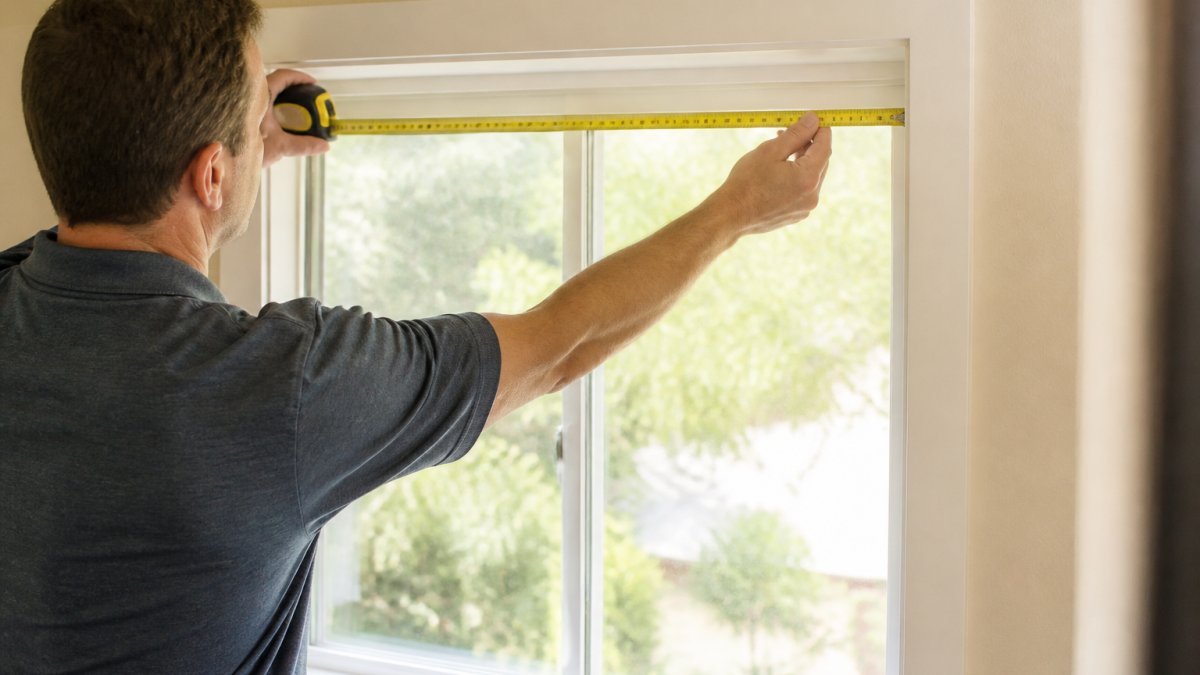
Measuring is critical. A professional measurer accounts for window depth, trim width, and mounting options (inside mount vs. outside mount). They also identify potential obstacles like window cranks or heating vents that might affect operation.
Fabrication time varies. Ready-made shades ship within days. Semi-custom shades typically take 2-3 weeks. Fully custom options can take 4-6 weeks or longer, depending on the complexity and the manufacturer's current workload.
Installation matters more than many homeowners realize. Shades that are hung crooked, mounted too high or too low, or secured to unstable surfaces won't operate smoothly and may fail prematurely. Professional installers ensure proper alignment, secure mounting, and smooth operation.
Service and warranty are where custom shade providers differentiate themselves. Some offer lifetime warranties on mechanisms. Others cover fabric fading or wear. Many provide free adjustments or repairs within a certain period. Understanding what's covered, and what isn't, matters when you're comparing total cost.
Custom Shade Installation: What to Expect and How Costs Differ
Installation costs vary significantly based on complexity and your location. A simple inside-mount roller shade in a standard window might cost $50-150 to install. A complex custom Roman shade in a bay window or difficult-to-access location could cost several hundred dollars.
What affects installation cost:
Window size and complexity. Large windows or unusual shapes take longer and may require special hardware or techniques. Bay windows, skylights, and arched windows add time and expense.
Mounting location. Inside mounts are simpler and cheaper. Outside mounts require more hardware and careful alignment. Ceiling mounts for heavy treatments cost more than wall mounts.
Number of windows. Installing 20 windows costs less per window than installing 2, because the installer can work efficiently and spread travel time across more jobs.
Existing condition. Windows in poor condition, damaged trim, or unstable walls require extra work or special solutions. This increases labor cost.
Removal of old treatments. If you're replacing existing shades or curtains, the installer needs to remove and dispose of them. Some charge extra for this; others include it.
The advantage of working with a local provider like Towersunitedblinds is that you get consistent service. A local expert can assess your specific situation, give you accurate cost estimates, and handle any complications that arise during installation.
Comparison Table: Shade Types, Features, and Value
| Shade Type | Best For | Light Control | Privacy | Energy Efficiency | Installation Complexity | Typical Maintenance |
|---|---|---|---|---|---|---|
| Roller Shades | Budget-conscious, functional spaces | Excellent | Good | Minimal | Very simple | Occasional dusting |
| Cellular Shades | Energy savings, year-round comfort | Good to excellent | Good | Excellent | Simple | Gentle cleaning in creases |
| Roman Shades | Tailored look, living areas | Good | Good | Minimal | Moderate | Regular dusting |
| Woven Wood Shades | Warm aesthetic, natural materials | Good | Good | Minimal | Moderate | Regular dusting |
| Curtains/Drapes | Style flexibility, frequent changes | Good to excellent | Good to excellent | Moderate | Moderate | Regular washing/cleaning |
| Custom Shades | Non-standard windows, specific needs | Customizable | Customizable | Customizable | Professional | Depends on type |
Choosing between budget blinds alternatives for custom shades comes down to balancing three factors: your budget, your window's specific needs, and how much you value professional installation versus DIY setup. If energy efficiency is a priority, cellular shades deliver measurable value. If you want a tailored look without the custom price tag, ready-made Roman or woven wood shades in standard sizes work well. For complex windows or situations where precision matters, custom shades from a local provider like Towersunitedblinds ensure proper fit, professional installation, and ongoing support. Call us today to discuss which solution fits your home best.
Frequently Asked Questions
What are the best alternatives to Budget Blinds for custom shades?
The best alternatives depend on your priorities. Roller shades offer simplicity and durability at lower cost. Cellular shades provide excellent energy efficiency. Roman shades deliver tailored elegance. Woven wood combines aesthetics with affordability. Curtains and drapes offer maximum flexibility. Local providers like Towersunitedblinds offer personalized service, accurate measuring, professional installation, and warranties that protect your investment long-term, often at competitive pricing compared to national chains.
How do I compare quotes for custom window shades?
Request quotes from multiple providers and ask for itemized breakdowns by window size and shade type. Compare the cost per window, measuring fees, installation charges, warranty coverage, and timeline. Ask about their measuring process, professional in-home measuring prevents costly light gaps and fit issues. Check local reviews and ask for references from homeowners in your area. Request a written estimate that specifies materials, labor, and any additional services included.
Are custom shades worth the cost compared to ready-made options?
Custom shades typically cost more upfront but deliver better fit, fewer light gaps, longer durability, and tailored aesthetics. Ready-made shades work for standard window sizes but often leave gaps and may warp or fade quickly. Custom shades from professional installers include measuring expertise, proper installation, and warranties. For older or unusual window sizes, custom shades are worth the investment. For standard windows, ready-made options may suffice if budget is the primary concern.
What's the difference between inside mount and outside mount installation?
Inside mount fits the shade inside the window frame, creating a clean, flush appearance and maximizing light control. Outside mount covers the frame and wall, providing better light blocking and working for wider windows or multiple windows. Outside mount costs slightly more due to additional materials and labor. Inside mount is ideal for modern windows and rooms where aesthetics matter. Outside mount is better for privacy, light filtering, and older homes with irregular frame sizes. Your installer will recommend the best option based on your window type and goals.
How long does custom shade installation typically take?
Timeline varies by provider and project scope. Professional measuring and ordering usually takes 1-3 weeks. Installation itself typically takes a few hours to a full day depending on the number of windows and shade type. Request a timeline upfront and ask about rush options if you're on a deadline. Towersunitedblinds prioritizes efficient service to minimize disruption to your home.