 blog
Stoneside Alternative for Local Homeowners: 2026 Guide
Table of Contents
- Why Homeowners Look for a Stoneside Alternative
- How Local Blinds and Shades Companies Compare to National Brands
- What to Compare: A Homeowner's Evaluation Checklist
- Transparent Pricing and Warranty Support
- Finding Custom Roller Shades Near Me: Service-Area Verification
- The In-Home Window Treatment Consultation Process
- Measurement, Installation, and Post-Installation Support
- Conclusion
- Frequently Asked Questions
Last Updated: October 21, 2026
Why Homeowners Look for a Stoneside Alternative
Searching for a Stoneside alternative usually starts with a simple frustration: the national model looks convenient until you need someone to actually show up.
A national brand sells a standardized experience. That difference matters most in the rooms where custom window treatments have to fit precisely, not approximately.
Below, we break down what to compare, how pricing really works, and how to verify that a provider serves your address before you book anything.
How Local Blinds and Shades Companies Compare to National Brands
Both models can deliver good window coverings. The right choice depends on how much customization, service, and follow-up you need.
National brands win on brand recognition and a polished online ordering flow. Local blinds and shades companies win on measurement accuracy, in-person guidance, and post-installation support. Neither advantage is automatic, so compare rather than trust the marketing.
Where National Brands Win
- Consistent process. Standardized consultations and a familiar ordering system reduce uncertainty for first-time buyers.
- Broad catalog visibility. You can browse styles and fabrics before anyone visits your home.
- Recognizable branding. Some homeowners find comfort in a name they have seen before.
The trade-off is distance. When something goes wrong, you are working through a call center rather than a person who has stood in your living room.
Where Local Providers Win
- Measurement accuracy. Local teams measure on site, including out-of-square openings and deep window wells.
- Design consultation in person. You see fabric samples against your actual light and wall color.
- Faster accountability. A local installation team can return to adjust a bracket or recheck a shade.
- Local expertise. Providers who work in the same climate understand which materials hold up to seasonal humidity and sun exposure.
What to Compare: A Homeowner's Evaluation Checklist
Use the same criteria for every provider to keep the comparison fair and surface the differences that affect your home.
- Does the provider confirm service availability at your specific address?
- Is the consultation in person, and is measurement included?
- Are product lines named, with samples you can see and touch?
- Can you see customer reviews and photos from nearby projects?
| Evaluation Area | What to Ask | Why It Matters |
|---|---|---|
| Service area | Do you install at my address? | Avoids booking a consultation you cannot complete |
| Product selection | Which lines and materials do you carry? | Determines light control, privacy, and durability |
| Measurement | Is on-site measurement included? | Prevents light gaps and misfit shades |
| Installation | Who performs the install? | Affects accountability and finish quality |
| Warranty | What is covered, and for how long? | Protects your investment after the sale |
| Post-install support | How are adjustments handled? | Resolves settling and hardware issues quickly |
Transparent Pricing and Warranty Support
"Pricing varies" is true but useless when comparing two quotes side by side. Understand how a quote is built, then compare providers on the same line items.
How a Custom Quote Is Built
A legitimate quote for custom shades or draperies is assembled from a handful of cost drivers. Ask every provider to show them separately:
- Product cost per window. Fabric or material, lift style (cordless, continuous-loop, motorized), and mounting type (inside mount versus outside mount).
- Measurement. On-site measurement is usually included in an in-home consultation; confirm it is not a separate line item.
- Installation labor. Often priced per window or as a flat project fee. Ask whether hardware (brackets, screws, anchors) is included.
- Add-ons. Valances, cornices, returns, hold-down brackets, and motorization kits each carry their own cost.
A bundled quote is not wrong, just harder to compare. Ask for the breakdown in writing before you sign.
What Drives the Price Up or Down
A few variables move the number most:
- Window count and size. A wide slider or a wall of windows costs more than a single standard double-hung, both in material and in installation time.
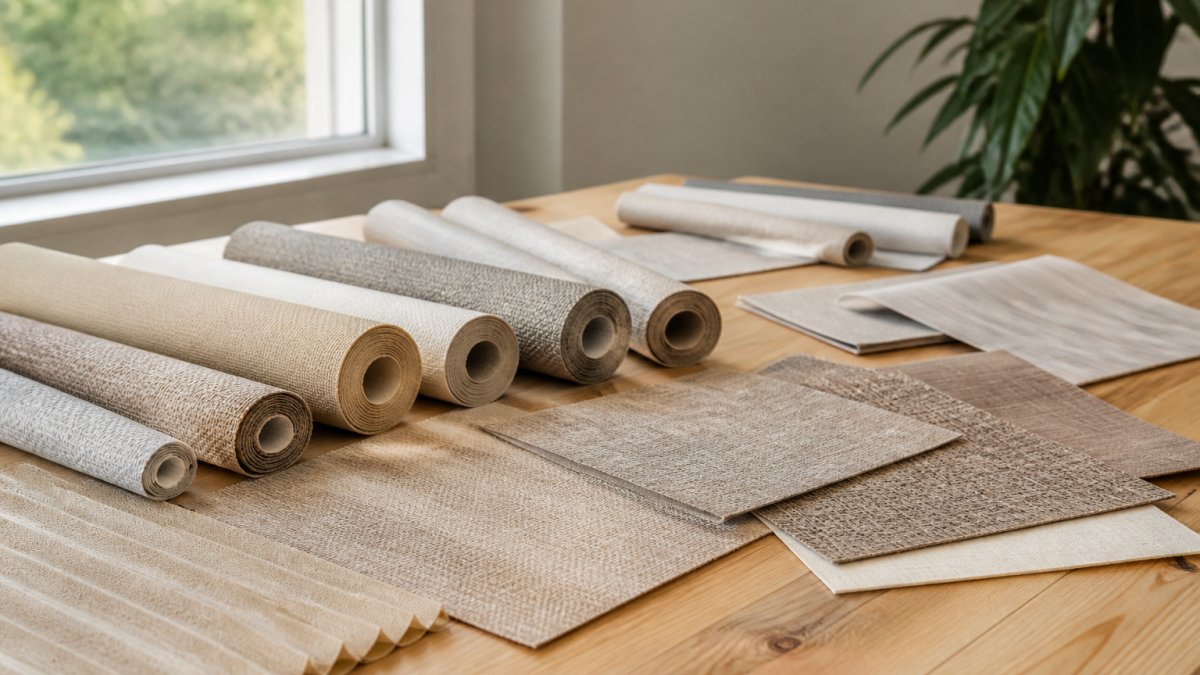
- Material. Natural woven woods and specialty fabrics sit at the high end; standard roller and cellular fabrics sit lower.
- Lift style. Motorized and top-down/bottom-up options add cost over a basic cordless lift.
- Mounting complexity. Out-of-square openings, deep window wells, and tile or plaster surrounds take more time and sometimes specialty anchors.
When you compare two quotes, put them in the same format: product cost per window, installation per window, add-ons, and tax. A lower total that excludes installation hardware or a written warranty is a smaller package, not a better price.
Warranty Terms Worth Reading Closely
Warranty language is where providers differ most and homeowners get surprised later. Get written answers to these questions before you commit:
- What is covered? Fabric, hardware, motorized components, and labor are often covered differently. Ask which parts of your specific order fall under which coverage.
- How long does coverage last? A multi-year hardware warranty paired with a shorter fabric warranty is common; confirm the term for each component.
- What is excluded? Normal fading, improper cleaning, and damage from misuse are typical exclusions. Ask how the provider defines "normal wear."
- Who performs warranty work? A local provider who installed the product can usually return to adjust or replace hardware. A national provider may route you to a call center and a subcontracted crew.
A verbal promise that "we stand behind our work" is not a warranty. Ask for the written document before you place the order, and confirm it names the products, the coverage period, and the claims process.
Repairs and Post-Installation Adjustments
Even a correct installation can need attention later: a settled cellular shade, a motorized unit that loses programming, or a loose bracket. Ask how each provider handles these visits, free adjustment period, trip charges, scheduling speed. A provider who answers the phone months after the sale is part of what you pay for.
Finding Custom Roller Shades Near Me: Service-Area Verification
"Near me" searches return national retailers, local showrooms, and lead-generation sites that sell your contact information to whichever provider pays. The results look similar; the service experience is not. Before booking, verify that the provider installs at your exact address, how soon they can get there, and who will actually be in your home.
Step 1: Confirm Your Address, Not Just Your ZIP Code
Service areas are often drawn by ZIP code, but coverage inside a ZIP can vary. Give the provider your full street address and ask for written confirmation they install there. A local provider answers directly; one stretching beyond its territory will hedge, offer a "consultation" with no installation commitment, or route you to a partner.
Step 2: Ask About Appointment Availability and Lead Times
Availability reveals how a provider operates. Ask:
- How soon can a consultant visit? A local team can often schedule within days; a stretched provider may quote weeks.
- What is the typical lead time from order to installation? Custom products are made to measure, so some wait is normal. Ask whether the provider's estimate includes fabrication and shipping, and get it in writing.
- Is the appointment window specific? A two-hour window is reasonable; a range spanning a full day or several weeks is a warning sign.
Step 3: Confirm Who Measures and Who Installs
Ask whether the same team handles measurement and installation, and whether those technicians are employees or subcontractors. Accountability matters: if a bracket pulls loose or a shade is cut short, you want one point of contact responsible for the fix. If the answer is "a subcontractor we assign," ask how warranty claims are handled if that crew is gone.
Step 4: Look for Local Project Evidence
Reviews and photos are more useful when they are local. Look for:
- Customer photos that match the housing stock in your area, older homes with out-of-square openings, deep window wells, or large sliders.
- Reviews that mention your neighborhood, nearby streets, or the specific consultant or installer by name.
- Mentions of follow-up visits, adjustments, or warranty service, not just the initial sale.
Step 5: Compare Product Fit for Your Windows
Once coverage is confirmed, compare how each provider's products suit your actual windows. Roller shades are a good baseline for light control and a clean look, but not right for every room. Ask how each provider handles:
- Light control and privacy. Blackout versus light-filtering fabrics, and whether side channels or fascia are available to reduce light gaps.
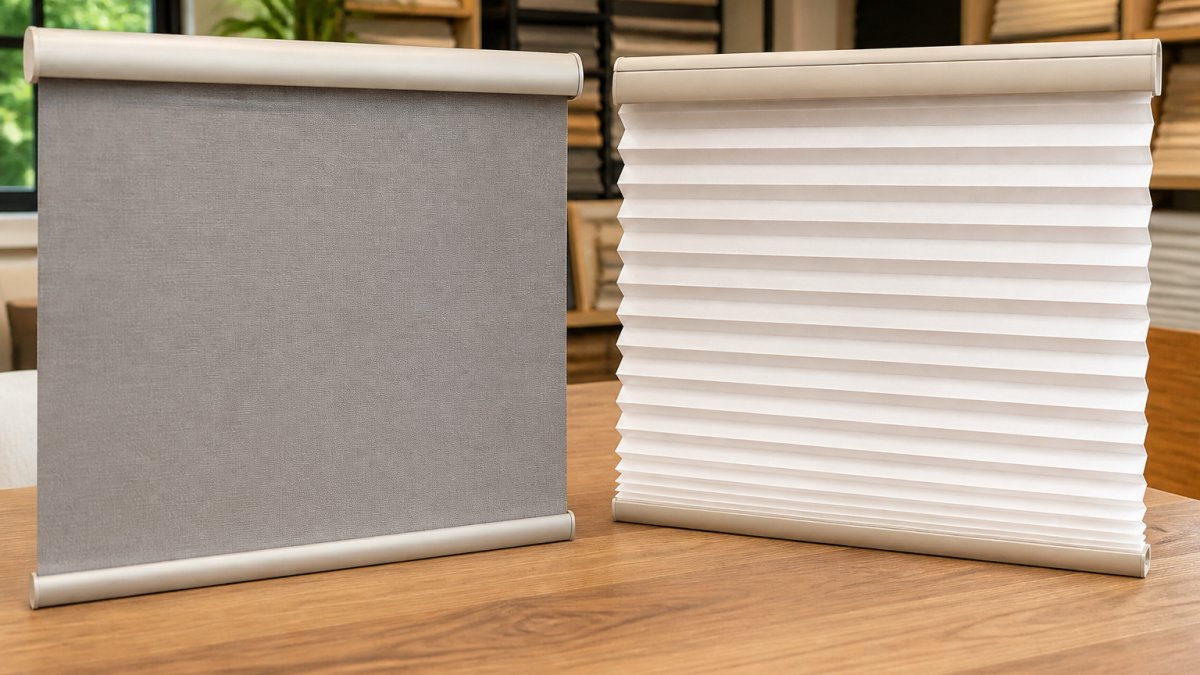
- Insulation. Cellular shades offer better thermal performance at the glass; roller shades prioritize a slim profile.
- Customization. Top-down/bottom-up lifts, motorization, and fabric choices that fit odd-sized or arched openings.
- Installation options. Inside mount versus outside mount, and how the provider handles trim and deep recesses.
Filter first by confirmed availability at your address, then by lead time and who performs the install, and only then by product. A beautiful catalog is worthless if the provider cannot get to your windows or will not return to fix them.
The In-Home Window Treatment Consultation Process
An in-home window treatment consultation is a scheduled visit where a design consultant measures your windows, reviews material samples, and recommends coverings based on light, privacy, and style.
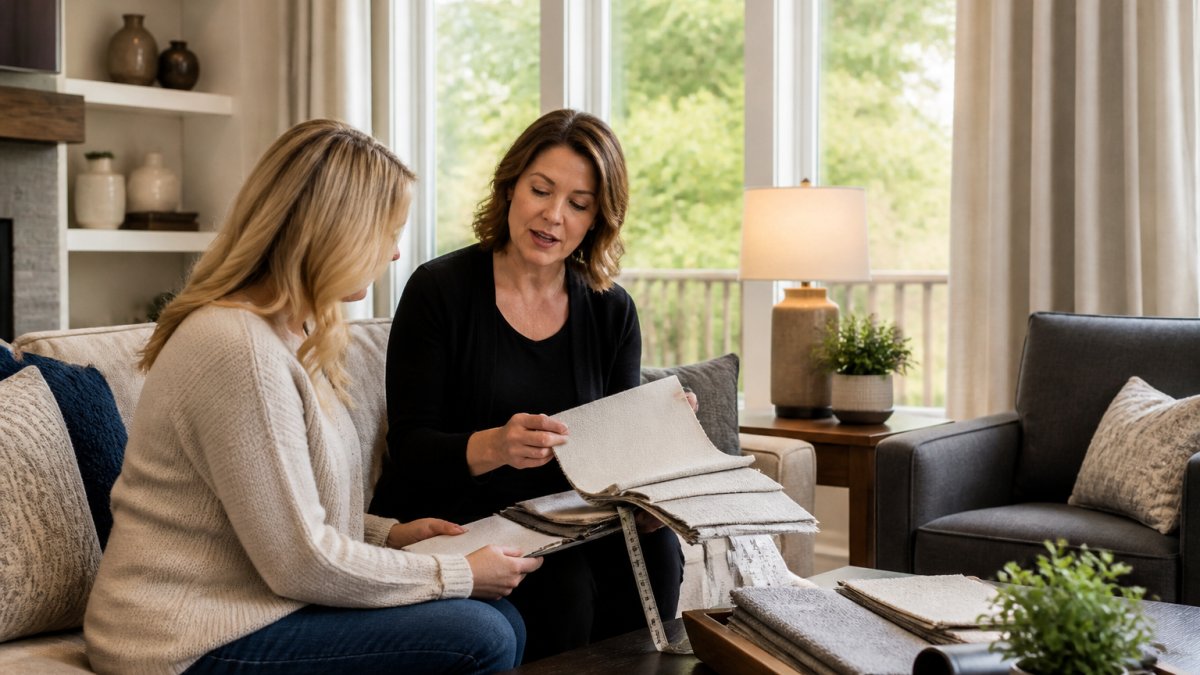
Expect the visit to follow a predictable sequence:
- Walkthrough. The consultant reviews each room and notes sun direction, privacy needs, and existing trim.
- Measurement. Every opening is measured, including depth and any out-of-square conditions.
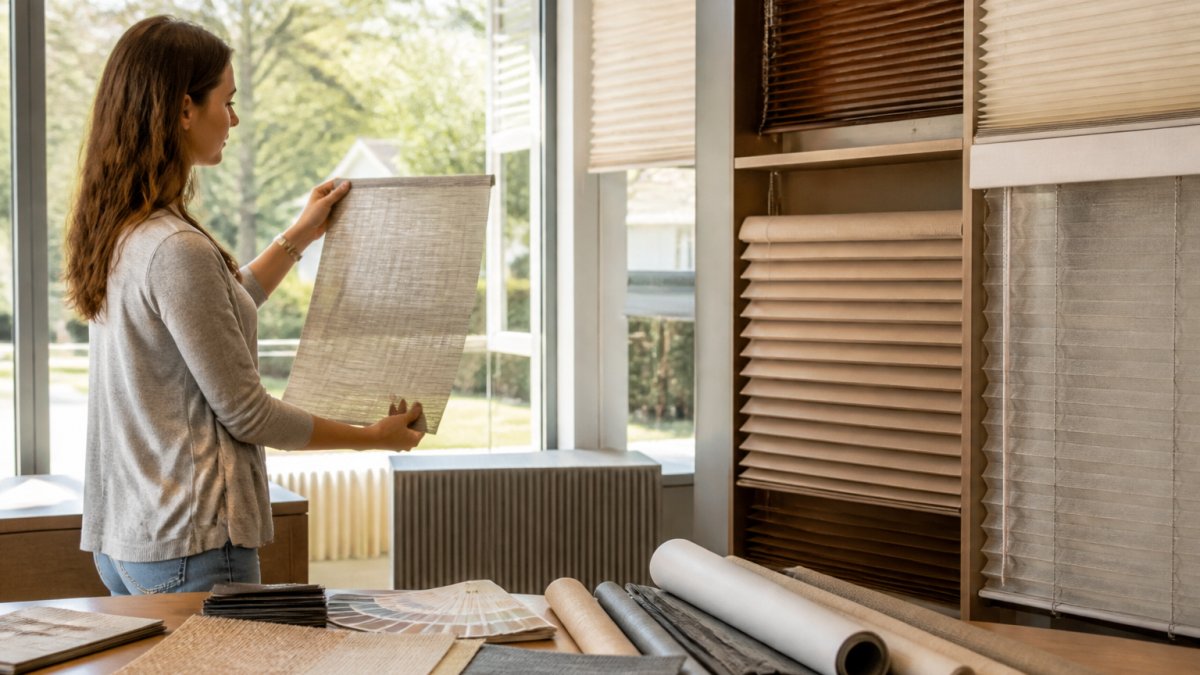
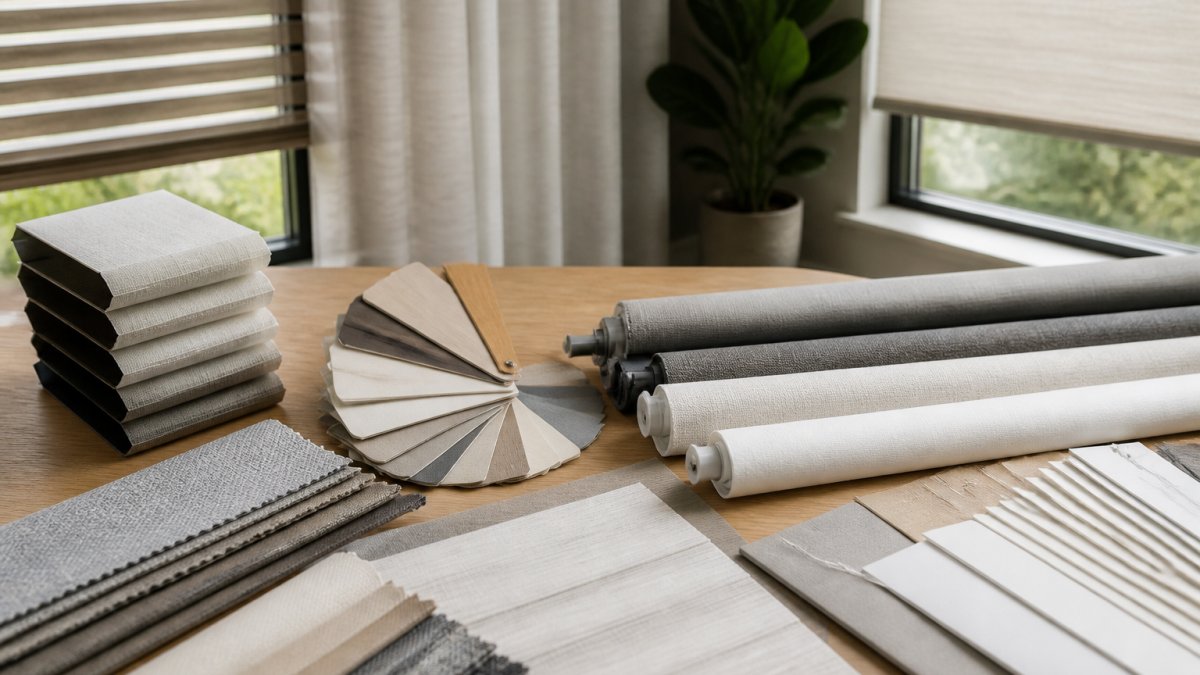
- Product selection. Samples are presented in your actual lighting so colors read accurately.
- Recommendation. You receive guidance on lift style, mounting, and material for each room.
- Quote. Pricing is itemized by window with installation included.
A good consultant will tell you when a cheaper option fits better. At Towersunitedblinds, our design and installation teams handle both steps, so the person who measures is accountable for the fit.
Measurement, Installation, and Post-Installation Support
Precise measurement prevents the two problems homeowners complain about most: light gaps and loose hardware.
Installation quality determines how the shades feel day to day.
Post-installation support is where local providers separate themselves. Cellular shades settle, motorized units need reprogramming, and fabric needs cleaning guidance.
Our customers regularly mention the same two things: the pricing was competitive, and the installation was clean and efficient.
Conclusion
The real challenge is not finding a Stoneside alternative. It is finding a provider who measures accurately, installs carefully, and answers the phone after the sale. National brands offer consistency; local providers offer accountability, and for custom window treatments, accountability wins.
Towersunitedblinds serves homeowners as a local expert for window coverings, with roller, wooden, cellular, and Roman shades tailored to your rooms and a team that handles design and installation in one process.
Frequently Asked Questions
What are the best alternatives to Stoneside for custom window treatments?
For homeowners who want a local option, independent blinds and shades companies offer custom-made blinds, shades, and draperies with in-home consultations. The best choice depends on your priorities: product selection, measurement and installation quality, warranty terms, and how quickly the provider can respond to service calls. Ask each provider for local project examples, customer reviews, and a written quote that itemizes products and installation so you can compare like for like.
Do local window treatment companies offer in-home consultations?
Many local blinds and shades companies provide an in-home window treatment consultation where a design consultant measures windows, discusses light control and privacy needs, and shows product samples. This lets you see how fabrics and shades look in your actual room lighting. Confirm whether the consultation is free, how long it takes, and whether the person measuring is the same team that installs, since that continuity reduces measurement errors.
Can I get custom roller shades from a local provider?
Yes. Local providers typically offer custom roller shades made to your window dimensions, including options for light filtering, blackout, and motorized operation. When searching for custom roller shades near me, verify the provider's service area covers your address and ask about production lead times. A local measurement visit helps catch unusual window sizes that can cause light gaps, and you can review customer photos of completed projects before ordering.
What should homeowners compare when choosing a blinds and shades company?
Compare four things: product quality and customization options, measurement and installation process, warranty and repair support, and total pricing including installation. Ask for local customer reviews and references, confirm the service area, and get a written quote covering hardware and labor. A provider that handles design, measurement, and installation in-house usually gives you a single point of contact if something needs adjustment after the install.