 blog
Modern Window Covering Trends 2026
Table of Contents
- What's Driving Modern Window Coverings in 2026
- Smart and Motorized Window Shades
- Natural Materials and Woven Textures
- Modern Window Treatments with Minimalist Design
- Layered Window Coverings and Soft Filtering
- Trending Curtain Fabrics 2026 and Color Palettes
- Outdated Window Treatments to Leave Behind
- Choosing the Right Modern Window Covering for Your Home
- Frequently Asked Questions
Last Updated: October 11, 2026
What's Driving Modern Window Coverings in 2026
Window coverings have evolved far beyond simple privacy solutions. Today's modern window covering trends reflect a shift toward sustainability, smart technology, and design that works as hard as it looks. Homeowners are moving away from heavy drapes and dated blinds, choosing instead treatments that balance natural light, energy efficiency, and aesthetic appeal.
The change comes from three forces. First, people want their homes to feel more connected to nature. Second, smart home technology has become mainstream. Third, energy costs keep rising, pushing homeowners to invest in solutions that actually reduce heating and cooling expenses.
Smart and Motorized Window Shades
Motorized window shades have moved from luxury to practical necessity. These shades open and close on schedules you set, adjusting for sun position throughout the day. No more manual pulling. No more forgetting to close them at night.
The real benefit goes beyond convenience. Smart shades reduce energy waste by automatically closing during peak heat hours in summer and opening on cold days in winter. A motorized cellular shade can reduce heat loss through windows, while solar shades block UV rays and reduce solar heat gain in summer, measurable performance that justifies the upfront investment.
Cost and Installation Considerations
Motorized shades typically cost more than manual equivalents. Installation costs vary depending on the model and power source. These upfront costs can be offset by potential energy savings on heating and cooling.
Control Systems and Smart-Home Compatibility
Motorization works best when paired with quality materials underneath. A motorized shade on thin fabric still lets heat through. Pairing motorized operation with cellular or thermal shades creates a system that actually performs.
Control options vary widely. Basic remote controls operate individual shades. Smartphone apps and voice integration enable scheduling, geofencing, and integration with other smart-home devices. Sensor-based automation, which closes shades when sunlight reaches a certain intensity or when room temperature rises, delivers energy efficiency by responding to real-time conditions rather than fixed schedules.
Battery-powered motors are the most common retrofit option and work with most existing shade frames. Hardwired motors require professional installation during construction or major renovation but offer unlimited operation without battery replacement. Solar-powered motors are emerging as a sustainable option for south- and west-facing windows but cost 20-30% more and perform poorly in cloudy climates.
Performance and Durability
Motor lifespan typically ranges from 10-15 years with proper maintenance. Dust and debris reduce motor efficiency; annual cleaning of the shade surface and motor housing extends life. Warranty coverage varies. Repair costs for motor replacement can be a consideration for large windows or multi-window installations.
Natural Materials and Woven Textures
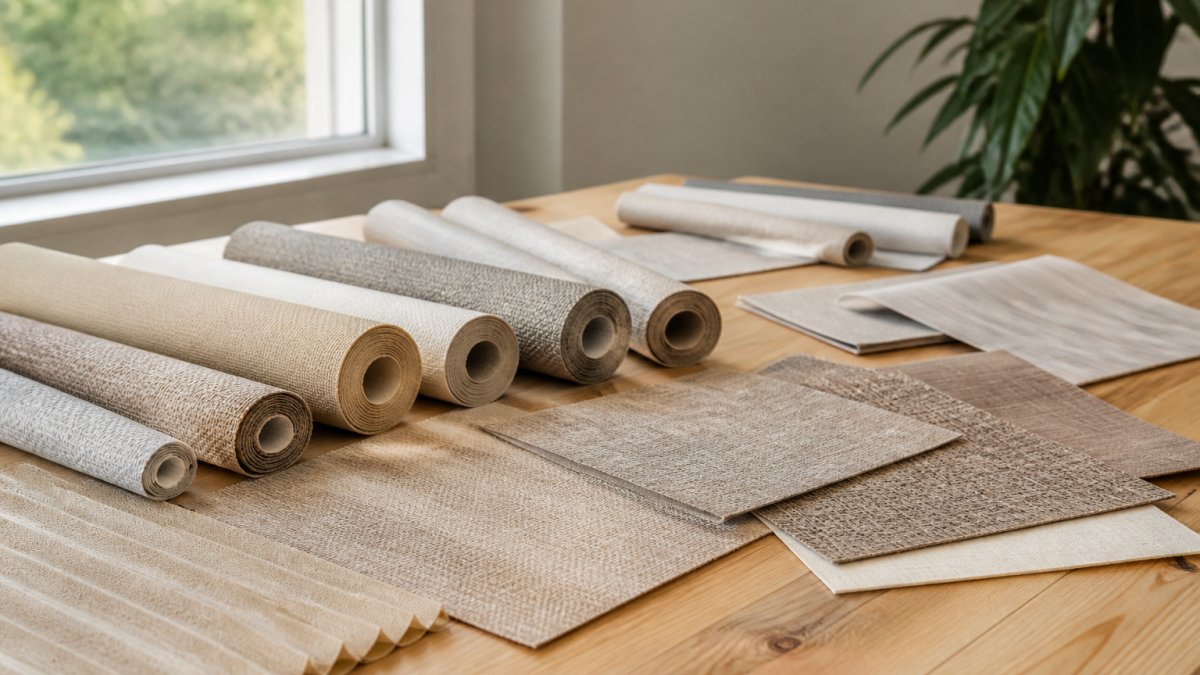
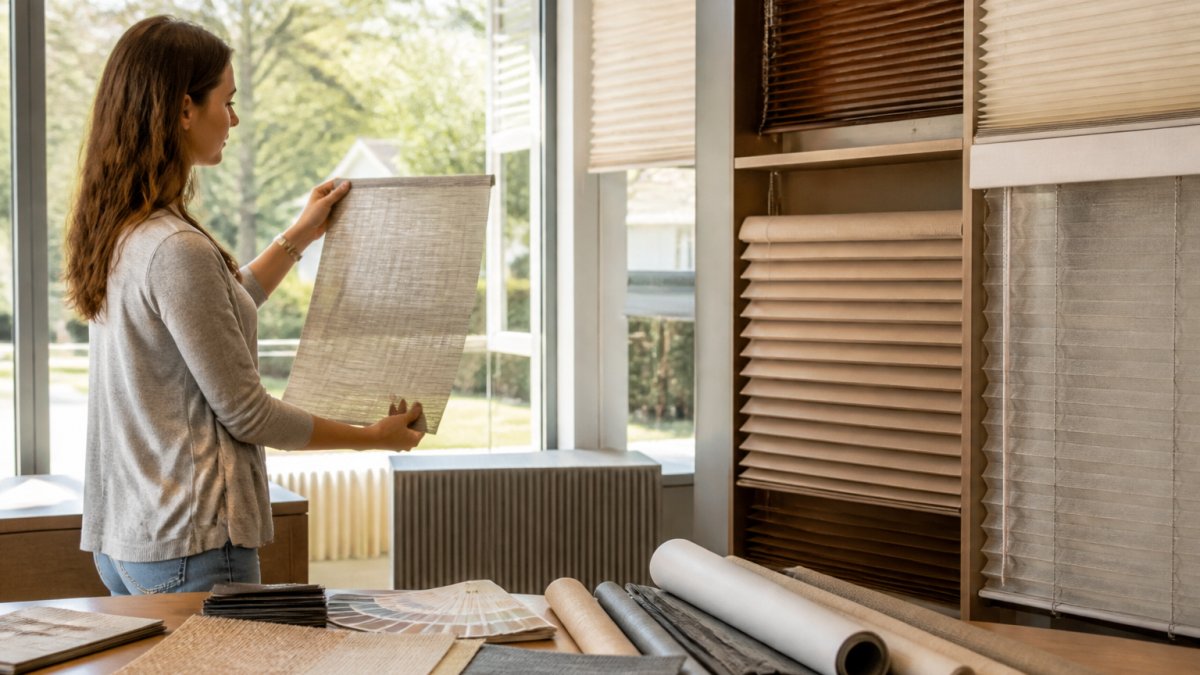
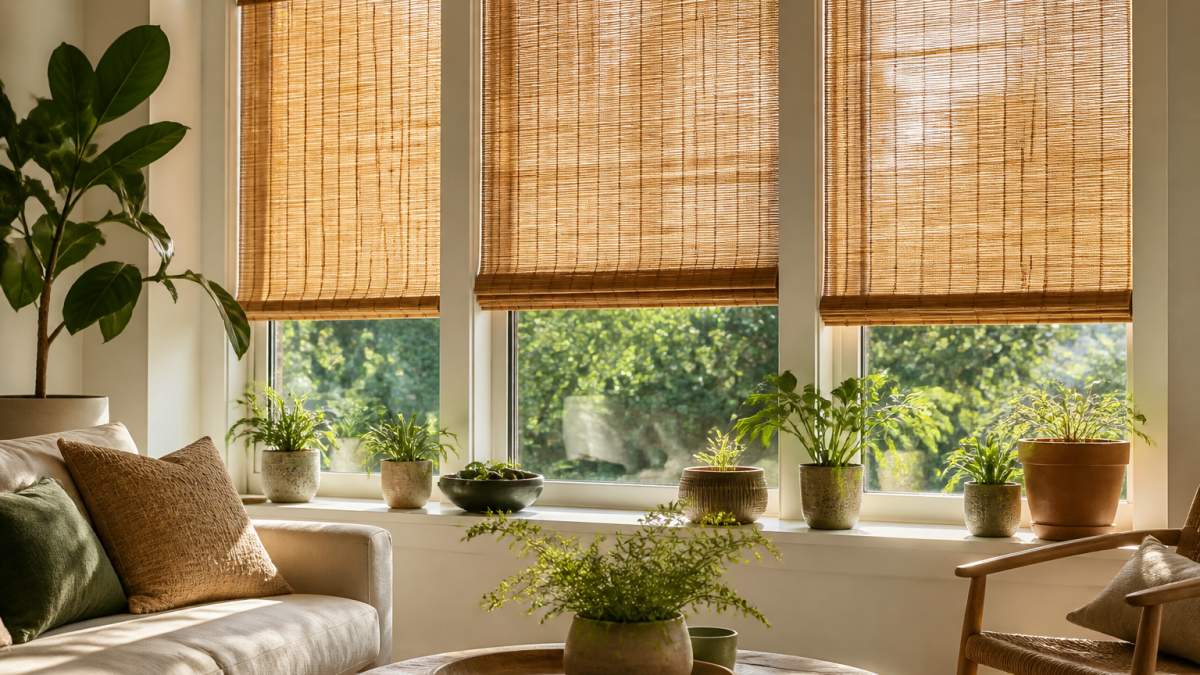
Woven wood shades and bamboo blinds dominate 2026 design conversations. These materials bring texture and warmth that synthetic options can't match. They filter light softly while adding visual interest to any room.
Natural materials work because they age beautifully. Unlike plastic blinds that yellow and crack, wood and bamboo develop character over time. Homeowners appreciate this durability. A quality woven shade lasts 10-15 years with minimal maintenance.
The trade-off is real, though. Natural materials cost more upfront and require occasional care. Dust accumulation happens faster than with smooth surfaces. For rooms with high humidity (bathrooms, kitchens), synthetic alternatives perform better.
Modern Window Treatments with Minimalist Design
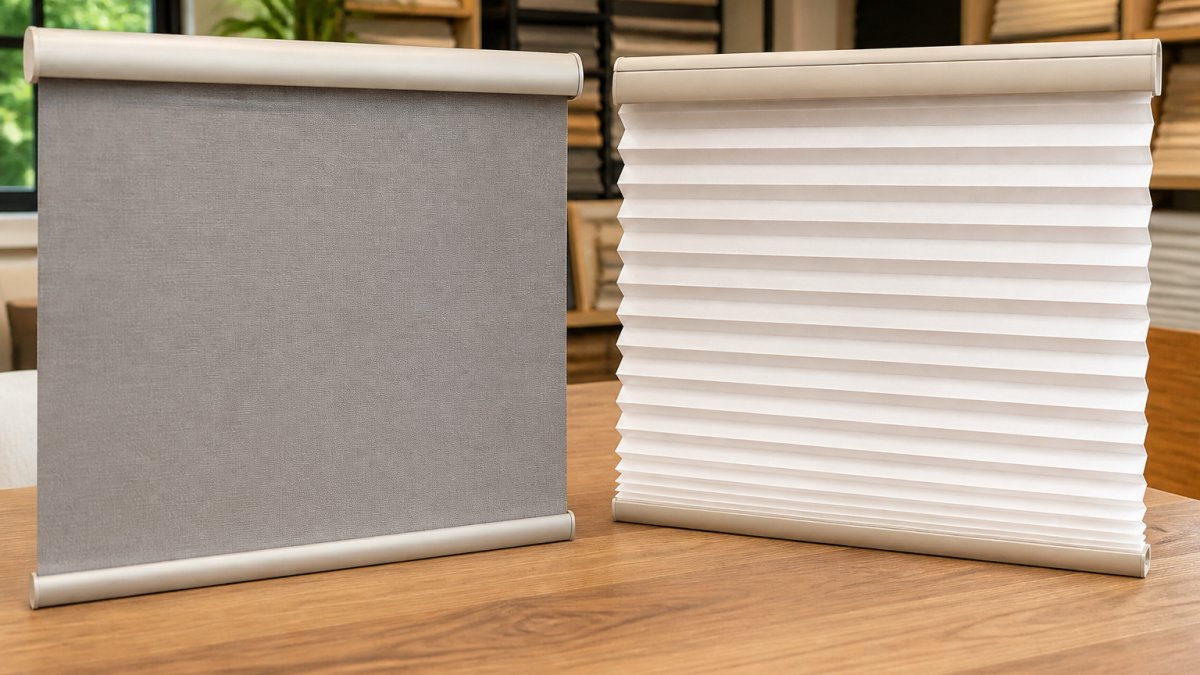
Minimalist window coverings emphasize clean lines and simplicity. Roman shades with soft folds fit this trend perfectly. They hang flat when closed and fold into neat horizontal pleats when raised, creating a simplified look.
The minimalist approach rejects busy patterns and heavy fabrics. Instead, solid colors in neutral tones dominate. Whites, grays, taupes, and soft beiges work with any interior style. This simplicity makes rooms feel larger and more intentional.
Minimalist design also means fewer visual elements competing for attention. When your window treatment doesn't demand focus, the view outside becomes the main event. This philosophy appeals to people who want their homes to feel calm and organized.
Layered Window Coverings and Soft Filtering
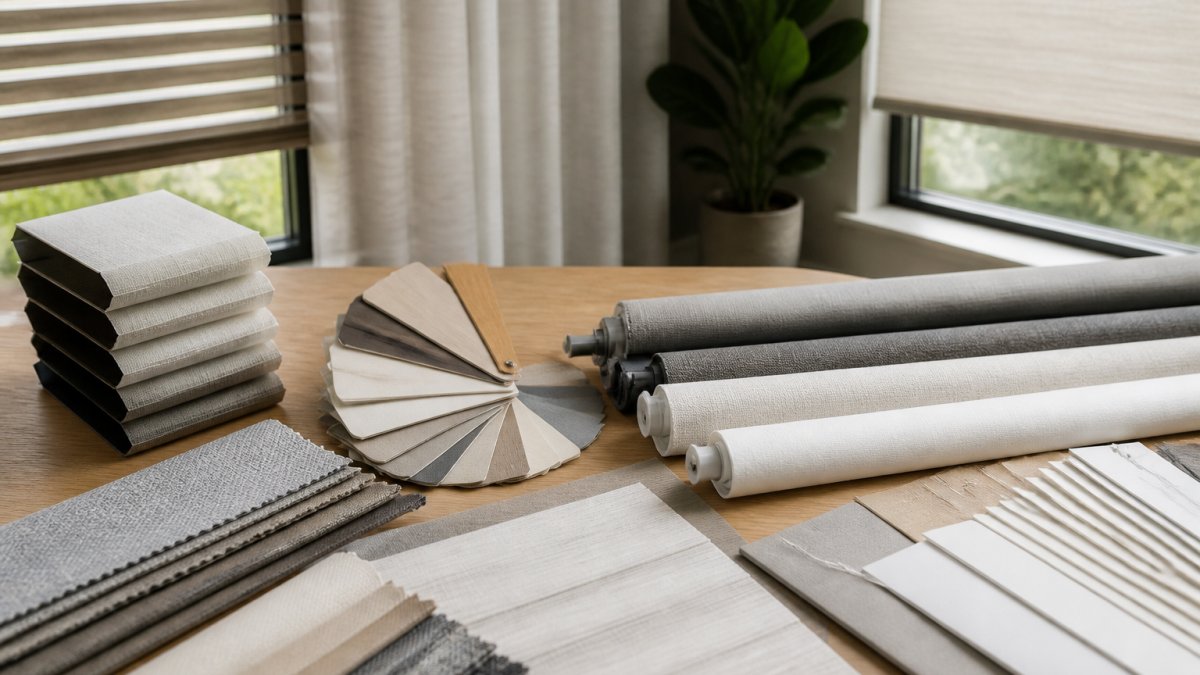
Layering window treatments creates depth and flexibility. A sheer curtain under roller shades gives you options: soft filtered light during the day, complete privacy at night. This approach solves the problem of choosing between aesthetics and function.
Soft filtering fabrics like linen and cotton diffuse harsh sunlight without blocking views. They create a gentle glow in rooms while reducing glare on screens. Many homeowners now use sheers as their primary daytime covering, closing heavier shades only when needed.
The layered look also works for design. Combining textures and materials creates visual interest. A woven shade paired with gauzy curtains looks intentional and sophisticated. This trend shows that modern window treatments don't have to choose between pretty and practical.
Trending Curtain Fabrics 2026 and Color Palettes
Fabric choices reflect broader design movements toward sustainability and natural aesthetics. Linen, cotton, and hemp fabrics are trending over polyester. These materials breathe better, age more gracefully, and feel better to the touch.
Color palettes have shifted toward earthy tones. Warm whites, soft greens, warm grays, and muted terracotta appear in homes across the country. These colors complement natural materials and create a cohesive, nature-inspired look.
Subtle patterns are making a comeback, but the days of bold florals and geometric prints are fading. Small-scale textures, tone-on-tone weaves, and simple stripes work with modern design. The pattern whispers rather than shouts.
Outdated Window Treatments to Leave Behind
Heavy velvet drapes with ornate hardware belong in museums, not modern homes. They collect dust, block light completely, and feel formal in ways contemporary design rejects. If your windows are dressed in thick, dark drapes, it's time for an update.
Vertical blinds with visible cords look dated and feel unsafe. Modern alternatives offer the same functionality without the visual clutter. Motorized options eliminate cords entirely, which appeals to families with children.
Cheap plastic blinds that yellow and warp are out. They look worn within months and don't perform well. Investing in quality materials, even mid-range options, delivers better results and longer life.
Choosing the Right Modern Window Covering for Your Home
Selecting modern window coverings requires matching trends to your specific needs: room function, window orientation, climate, household composition, and maintenance tolerance. A one-size-fits-all approach leaves you with treatments that look good but underperform.
Room-by-Room Guidance
Bedrooms demand blackout capability and privacy. Cellular shades with a blackout lining block 99-100% of light, essential for quality sleep and shift-work schedules. Motorized blackout shades add convenience, schedule them to close at sunset and open at sunrise. Layering with sheer curtains provides daytime softness without sacrificing nighttime darkness.
Living rooms and family spaces benefit from layered treatments that balance light control with views. Sheer curtains or solar shades paired with roller blinds or Roman shades give you soft daytime filtering and complete privacy when needed. Natural materials like woven wood shades add warmth and texture. This approach delivers flexibility.
Kitchens and bathrooms require moisture-resistant, easy-clean materials. Synthetic roller shades or faux-wood blinds resist humidity and mildew better than natural materials. Avoid fabric curtains in these spaces; they trap moisture and odors. Cellular shades with a moisture-resistant coating work if you prefer soft filtering.
Home offices need glare reduction and adjustable light control. Solar shades (which filter light while maintaining views) or layered sheer-plus-roller combinations reduce screen glare without darkening the room. If you work during variable daylight hours, motorized shades with light sensors automatically adjust throughout the day. For motorized solar shades, pricing depends on quantity, dates, and delivery.
Window Orientation and Climate
Window direction determines which coverings deliver the most energy benefit:
-
South-facing windows receive intense, consistent sunlight year-round. Solar shades or reflective cellular shades block 40-60% of heat gain in summer while allowing some winter warmth. Motorized operation maximizes savings by closing during peak afternoon heat (typically 2-5 p.m.). Expected energy savings can be significant for cooling costs.
-
West-facing windows are the hottest in late afternoon, especially in summer. Motorized shades that close by 3 p.m. prevent afternoon heat buildup. Thermal cellular shades with a reflective backing perform best. Expected energy savings: 12-18% of cooling costs.
-
East-facing windows receive morning sun. Sheer curtains or light-filtering shades work well, as morning warmth is often welcome. Motorized operation is less critical here unless you have early-morning glare issues.
-
North-facing windows receive minimal direct sun. Light-filtering or decorative shades work fine; motorization and thermal performance provide minimal energy benefit. Focus on aesthetics and privacy rather than energy efficiency.
In cold climates, cellular shades with honeycomb insulation reduce heat loss in winter. In hot climates (cooling degree days above 2,500 annually), solar shades and reflective coatings are the priority. Temperate climates benefit from layered, flexible systems that adapt to seasonal changes.
Safety and Accessibility Considerations
Cord-operated blinds and shades pose strangulation hazards to children and pets. The Consumer Product Safety Commission (CPSC) recommends cordless or motorized options in homes with young children (Window Covering Cords). Motorized shades eliminate this risk entirely. If you choose corded treatments, install cord cleats or use breakaway cord connectors (required on all new corded shades sold in the U.S. since 2018).
For elderly homeowners or those with mobility limitations, motorized or cordless shades reduce physical strain. Voice-controlled operation (via Alexa or Google Home) allows hands-free adjustment. This accessibility feature is often overlooked but significantly improves daily quality of life.
Maintenance and Durability Trade-offs
Natural materials (wood, bamboo, linen) age beautifully but require regular dusting and occasional deep cleaning. Expect to spend time monthly on maintenance. Lifespan: 10-15 years with care.
Synthetic materials (polyester, faux wood, cellular shade fabrics) resist dust and moisture better and need only occasional vacuuming or wiping. Lifespan: 8-12 years.
Motorized components add maintenance: annual motor inspection, battery replacement (if battery-powered), and occasional remote reprogramming. Professional service may be required. Budget for this when choosing motorization.
Decision Framework
Start by defining your priorities in order: energy efficiency, light control, privacy, aesthetics, safety, or ease of use. Then match that priority to room function and window orientation. A bedroom on the west side of a hot climate prioritizes blackout and heat rejection, motorized blackout cellular shades are the answer.
Consider your climate zone, household composition (children, pets, elderly residents), and willingness to maintain natural materials. The most expensive option is not always the best; the best option is the one that solves your specific problem without overcomplicating your life.
Frequently Asked Questions
What are the main modern window covering trends for 2026?
The biggest trends in modern window coverings for 2026 center on smart automation, natural materials, and minimalist design. Motorized shades, woven textures like bamboo and linen, layered window treatments, and clean-lined styles dominate the market. Homeowners are also prioritizing energy efficiency, soft light filtering, and sustainable materials. These trends reflect a shift toward both style and function, with window coverings now doing double duty as design statements and smart-home components.
Are motorized window shades worth the investment?
Motorized window shades offer genuine convenience and can integrate with smart-home systems for scheduling and remote control. They're especially valuable for hard-to-reach windows, large installations, or when you want consistent light control across multiple rooms. However, the upfront cost is higher than manual options. Consider motorization if you value automation, have accessibility needs, or plan to stay in your home long-term. For budget-conscious buyers, manual modern window coverings deliver the same style and light control at a lower price point.
Which window covering fabrics are trending now?
Natural and sustainable fabrics dominate trending curtain fabrics in 2026. Linen, cotton, and linen-cotton blends are popular for their texture and breathability. Sheer fabrics that provide soft filtering of sunlight remain in style, while woven wood materials like bamboo shades offer both aesthetics and durability. Earthy and monochromatic color palettes pair with these fabrics. Avoid heavy, ornate drapes and overly thick materials, modern window treatments favor lighter, more refined fabrics that blend function with understated elegance.
What outdated window treatments should I replace?
Outdated window treatments include heavy, ornate valances, thick velvet drapes with busy patterns, plastic mini blinds, and overly decorative swags. Outdated styles also feature overly bright or clashing colors, bulky cornices, and treatments that prioritize decoration over function. Modern window coverings emphasize clean lines, subtle patterns, and versatile neutrals. If your current window treatments feel dated, layering modern shades with sheer fabrics or opting for sleek roller blinds and Roman shades will instantly refresh your space while improving light control and energy efficiency.