 ultimate-guide
How do you choose window shades for privacy?
Last Updated: October 25, 2026
Quick Summary
Window shades privacy depends on balancing daytime and nighttime needs: light-filtering shades block direct visibility while maintaining natural light during the day, while blackout shades provide complete privacy at night when interior lights create silhouettes. Layering both types or choosing top-down bottom-up shades lets you control privacy and light on a spectrum rather than all-or-nothing.
- Light-filtering shades block direct sightlines during the day but become nearly transparent at night with interior lights on.
- Blackout shades block almost all light transmission and provide complete privacy day or night but eliminate outdoor views when lowered.
- Outside mounts extending 2-4 inches beyond the frame on each side eliminate privacy gaps that inside mounts sometimes allow.
- Top-down bottom-up shades raise from the bottom and lower from the top, allowing upper-window light while blocking eye-level sightlines.
- Bedrooms and bathrooms need blackout or room-darkening shades, while living rooms and kitchens work well with light-filtering options.
Table of Contents
- Understanding Privacy Levels: Daytime vs. Nighttime Window Shades
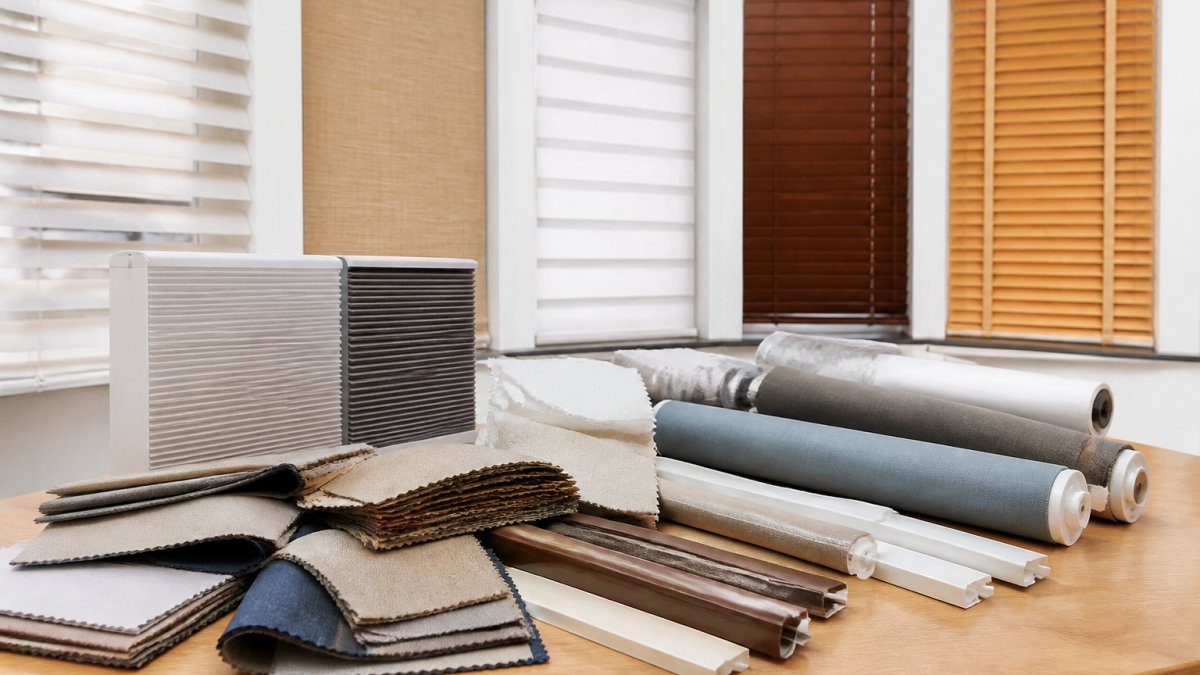
- Types of Window Shades and Their Privacy Performance
- Light-Filtering Shades vs. Blackout Shades: Finding Your Balance
- Top-Down Bottom-Up Shades for Privacy in Every Room
- Privacy Shades for Bathroom Windows and Other High-Traffic Areas
- How to Measure Windows for Shades That Fit Perfectly
- Room-by-Room Privacy Decision Guide
- Getting Your Custom Window Shades Installed
- Frequently Asked Questions
Understanding Privacy Levels: Daytime vs. Nighttime Window Shades
Choosing window shades privacy starts with understanding that daytime and nighttime privacy are fundamentally different challenges, and the shades that solve one may not solve the other.
During the day, privacy means blocking outside sightlines while you're awake and moving around.
At night, the equation reverses. With interior lights on and darkness outside, sheer or light-filtering fabrics become nearly transparent, creating a silhouette effect.
The practical solution for many homes is layering: a light-filtering roller shade handles daytime privacy, while blackout or room-darkening options provide nighttime coverage. Some pair sheer curtains for daytime aesthetics with blackout roller shades that lower when needed.
Types of Window Shades and Their Privacy Performance
Roller Shades and Cellular Shades
Roller shades are the most straightforward privacy option: a single piece of fabric on a spring mechanism.
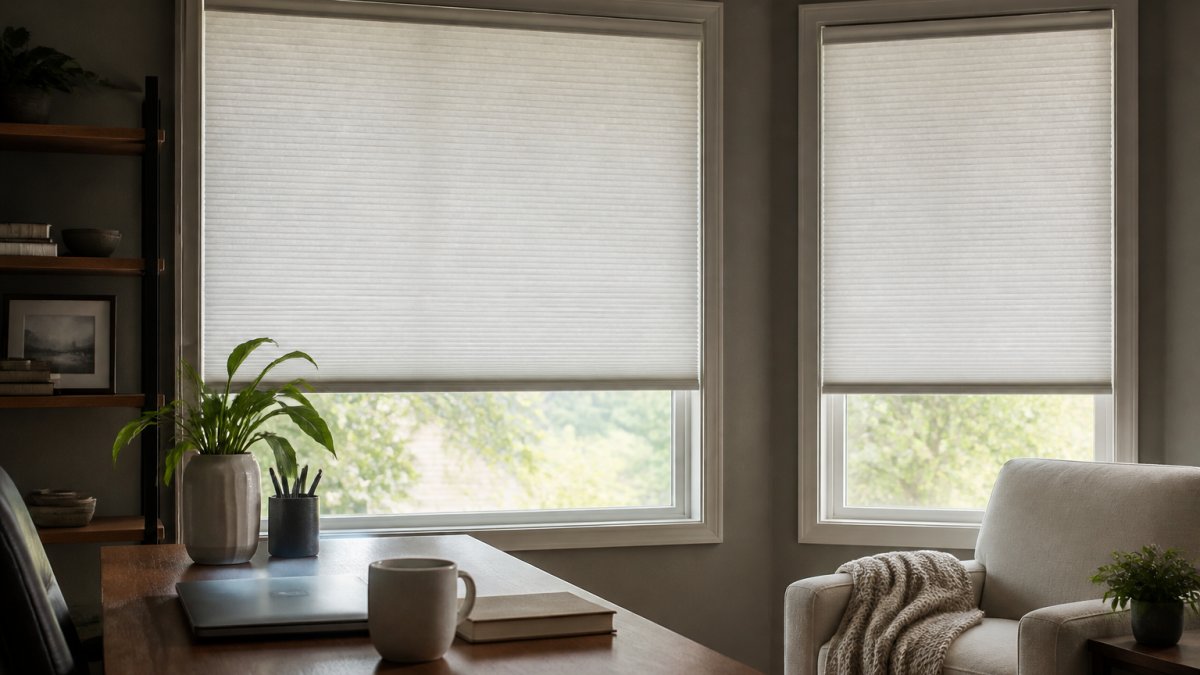
Cellular (honeycomb) shades form hollow cells that trap air, providing insulation along with privacy control. Single-cell designs offer moderate privacy and light filtering; double-cell designs insulate better and achieve near-blackout performance with opaque materials. The cellular structure also reduces noise, making them popular in bedrooms and home offices.
Both roller and cellular shades mount inside or outside the frame. Inside mounts look cleaner but may allow light gaps if the frame is uneven; outside mounts provide complete coverage but protrude from the wall.
Roman Shades and Woven Wood Shades
Roman shades fold into horizontal pleats when raised for a tailored, upscale look. Privacy depends on fabric weight: lightweight linen or cotton blends offer light filtering and moderate daytime privacy, while heavier fabrics or blackout linings provide stronger privacy. They suit formal living rooms, dining rooms, and bedrooms where aesthetics matter alongside function.
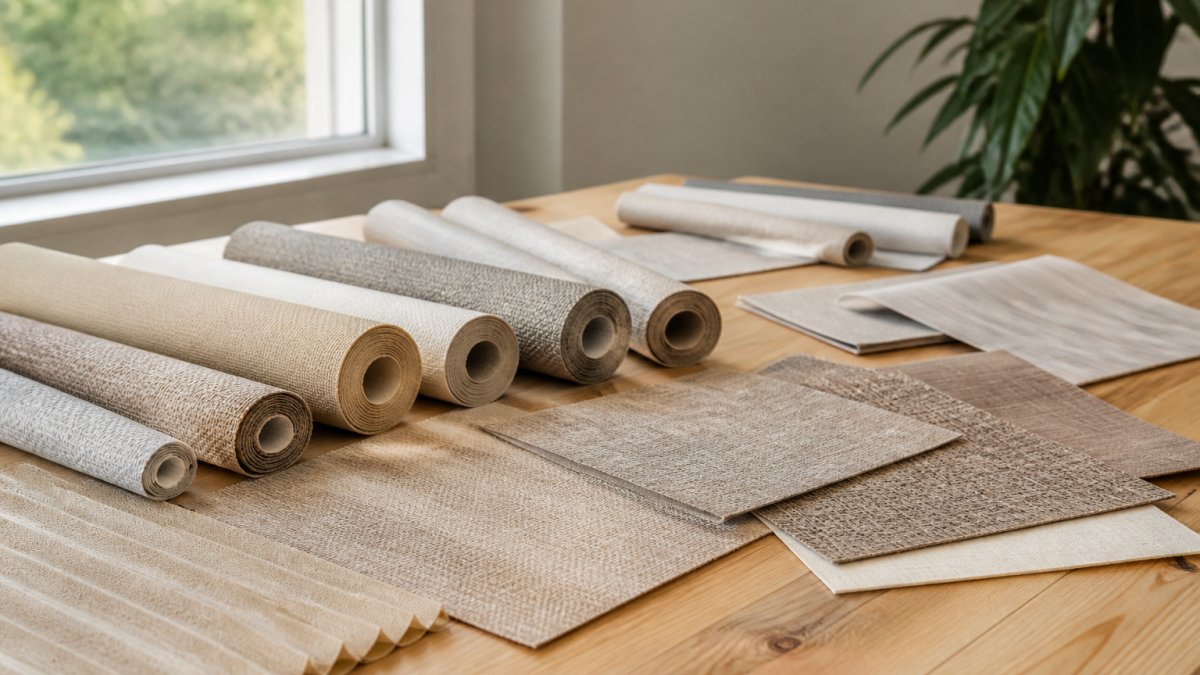
Woven wood shades use natural materials like bamboo, jute, or wood slats woven with fabric, adding excellent texture and warmth. Privacy is moderate at best, the weave allows some visibility through gaps, especially in daylight. They excel for daytime privacy in living rooms or dens and pair well with blackout roller shades where complete privacy control is needed.
Light-Filtering Shades vs. Blackout Shades: Finding Your Balance
The choice between light-filtering and blackout shades is not binary, understanding what each does helps you decide per window.
Light-filtering shades transmit diffused light while blocking direct visibility, maintaining a connection to the outside that many homeowners prefer for daytime window shades privacy. They work well in kitchens, living rooms, and home offices where natural light supports productivity and mood.
Blackout shades block nearly all light transmission, providing complete privacy day or night. They excel in bedrooms, supporting better sleep by eliminating external light, and in media rooms or home theaters where light control is essential.
The practical solution is layering or adjustable shades: pair light-filtering shades with sheer curtains for daytime privacy and aesthetics, then add blackout shades for nighttime coverage.
Top-Down Bottom-Up Shades for Privacy in Every Room
Top-down bottom-up shades solve a specific challenge: natural light from the top of the window with privacy at eye level.
This design works exceptionally well in bathrooms, bedrooms, and any room needing daytime light plus privacy from street-level viewing.
They also work well in living rooms and home offices, maintaining a view of trees or sky while blocking visibility into your interior, popular with homeowners who want both privacy and natural light in the same window.
Fabric choice still matters: light-filtering fabric provides daytime privacy with natural light, while blackout fabric gives complete privacy when needed while still allowing upper-window light. This style works in nearly any room where privacy and light control matter equally.
Privacy Shades for Bathroom Windows and Other High-Traffic Areas
Bathrooms are the highest-priority privacy zone in most homes: windows are typically at eye level to the street or neighbors, and the room's function demands complete visual privacy.
For bathroom windows, blackout or room-darkening shades are standard. The window is usually small, so darkening isn't a concern.
Top-down bottom-up shades are also excellent for bathrooms because they allow upper light while protecting privacy at eye level. If your bathroom window is high on the wall, a standard shade works fine.
Other high-traffic areas like entryways, hallways, and powder rooms benefit too, unexpected visibility into your home can feel intrusive.
Ground-floor bedrooms and home offices also qualify as high-priority privacy zones. These rooms are vulnerable to street-level sightlines.
How to Measure Windows for Shades That Fit Perfectly
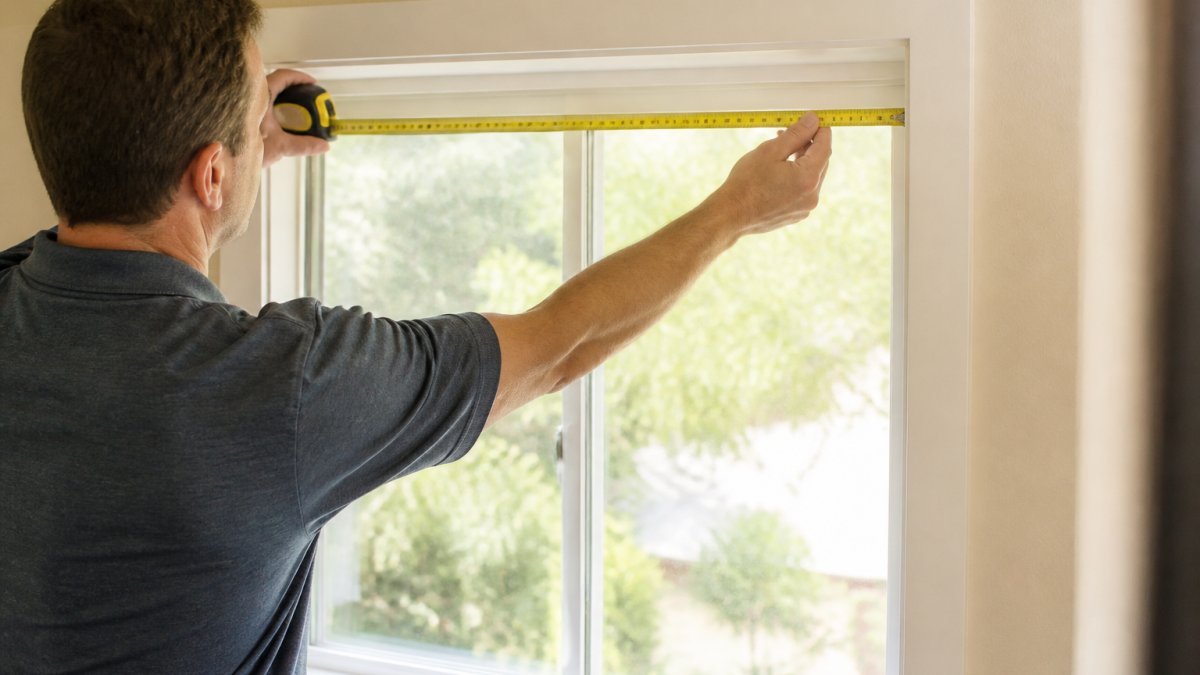
Accurate measurement is the foundation of a properly fitting shade, incorrect measurements lead to light gaps, poor coverage, and wasted money.
Measuring for Inside vs. Outside Mount Installation
Inside mounts fit the shade inside the window frame for a clean, flush appearance, but only work if the frame is relatively square and even. Measure width at top, middle, and bottom, and height at left, center, and right, use the smallest measurement each time. Round down to the nearest eighth of an inch to ensure the shade fits without binding.
Outside mounts attach to the wall or trim above and beside the window, working for any window shape and providing complete coverage.
Accounting for Edge Gaps and Sightline Assessment
Even perfectly measured shades can allow visibility if edge gaps exist, light and sight leak around the sides and bottom, especially with an uneven frame or an inside mount.
To assess your sightline, stand outside your window at night with interior lights on and look from different angles.
For inside mounts, measure carefully and request a shade that is cut to the exact width of your opening. Some manufacturers offer edge seals or side rails that reduce light leakage.
Frame depth also matters: a shallow frame may let a roller shade mechanism protrude and create a gap, so measure the depth and confirm with the manufacturer that the shade will fit without protruding.
Room-by-Room Privacy Decision Guide
Different rooms have different privacy needs, match shade types to your specific spaces.
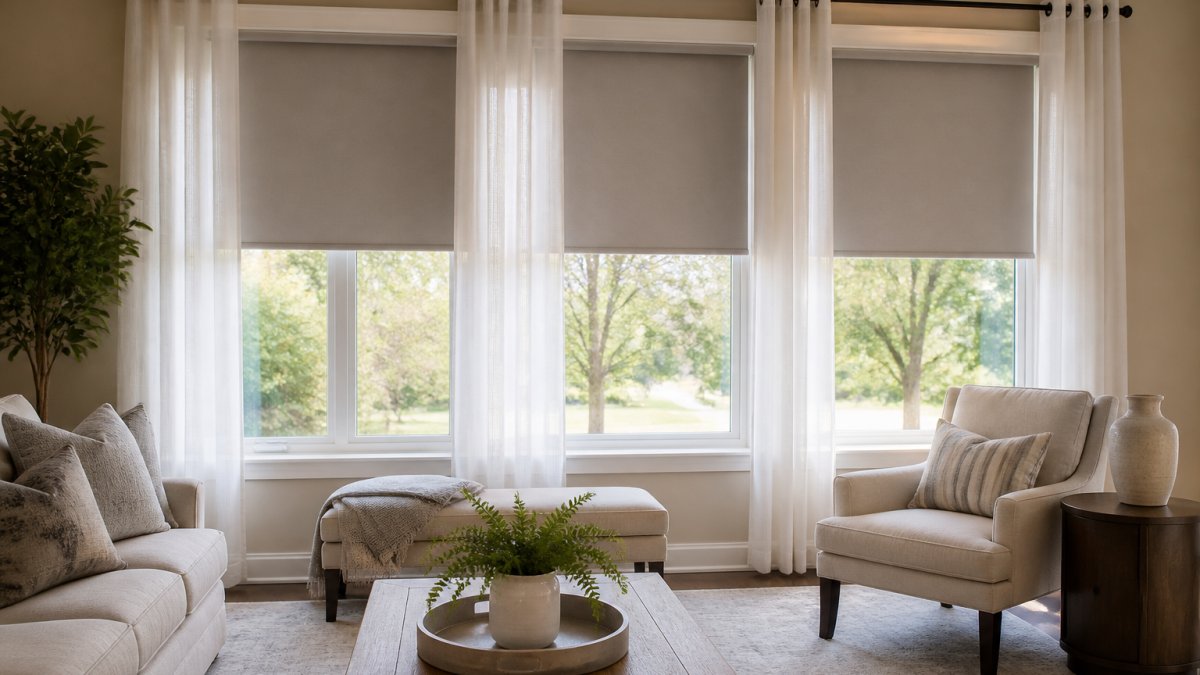
Bathrooms: Blackout shades are non-negotiable; pair with sheer curtains for daytime aesthetics.
Living rooms: Light-filtering shades balance daytime privacy with natural light, a light-filtering roller or cellular shade allows soft light while blocking direct visibility.
Home offices: Light-filtering shades support productivity and natural light during work hours, a light-filtering roller or cellular shade is ideal.
Dining rooms: Like living rooms, light-filtering shades provide daytime privacy while maintaining an open feeling, a Roman shade in light-filtering fabric adds elegance.
Different rooms have different privacy needs, here's what shade type works best in each space.
| Room | Recommended Shade Type | Key Privacy Consideration |
|---|---|---|
| Bedrooms | Blackout or room-darkening | Sleep quality and street-level privacy |
| Bathrooms | Blackout shades | Complete visual privacy is non-negotiable |
| Living rooms | Light-filtering shades | Balance daytime privacy with natural light |
| Home offices | Light-filtering shades | Support productivity; add blackout for calls |
| Kitchens | Light-filtering roller shade | Natural light supports food prep and mood |
| Dining rooms | Light-filtering Roman shade | Daytime privacy while maintaining openness |
| Entryways and hallways | Light-filtering roller shade | Privacy from street view without darkening |
Getting Your Custom Window Shades Installed
Professional installation ensures shades fit perfectly and operate smoothly. DIY measurement and installation mistakes are common, leading to light gaps, binding shades, and damaged walls or windows.
At Towersunitedblinds, our team takes precise measurements accounting for window frame irregularities and sightline assessment. We custom-fabricate shades to your exact specifications using high-quality materials including roller, cellular, Roman, and woven wood styles.
The process starts with a consultation where we discuss your privacy needs, room by room. We assess your windows, discuss fabric options and color choices, and provide guidance on shade type selection.
Custom window shades for privacy are an investment in your home's comfort and security. We recommend discovering the perfect window coverings through a consultation where we can assess your specific windows and privacy needs. For inspiration, explore our project gallery to see how other homeowners solved their privacy challenges.
Choosing the right window shades for privacy requires balancing daytime light with nighttime security, matching shade types to your room's function, and ensuring proper installation that eliminates edge gaps.
Frequently Asked Questions
Which window shades provide the most privacy?
Blackout and room-darkening shades provide the most complete privacy by blocking light and outside views almost entirely. Cellular shades with blackout linings offer excellent privacy while adding insulation. For daytime privacy with some light, light-filtering shades reduce visibility while allowing natural light in. The best choice depends on your room's function: bedrooms and bathrooms typically need blackout shades, while living areas may work with light-filtering options. Layering shades with curtains increases privacy further.
Can people see through light-filtering shades at night?
Yes, light-filtering shades offer limited nighttime privacy. When interior lights are on and it's dark outside, people can see silhouettes and movement through light-filtering shades. For true nighttime privacy, choose blackout or room-darkening shades, or layer light-filtering shades with opaque curtains. If you want daytime light with nighttime privacy, consider top-down bottom-up shades that allow you to adjust coverage, or combine sheer shades with blackout options for flexible control.
What window treatments provide privacy without blocking the view?
Light-filtering shades, sheer shades, and solar screen shades let you see out while limiting outside visibility during the day. Cellular shades with light-filtering fabrics work well for this balance. Top-down bottom-up shades are especially versatile: raise them from the bottom to see out while keeping the top portion closed for privacy. Woven wood shades also filter light while maintaining an outdoor view. For complete flexibility, layer light-filtering shades with adjustable panels or curtains you can open when you want the view.
Are cellular shades good for privacy?
Cellular shades are excellent for privacy, especially with blackout or room-darkening linings. Their honeycomb structure provides insulation and light control, and opaque fabrics block visibility effectively. They work well in bedrooms, bathrooms, and living rooms. Cellular shades also come in light-filtering options if you want daytime privacy with some natural light. Their durability and low maintenance make them a practical choice for long-term privacy solutions. Custom-fitted cellular shades eliminate edge gaps that can compromise privacy.
How do I choose shades for a bathroom window?
Bathroom windows need shades that provide complete privacy while handling moisture and humidity. Cellular shades with moisture-resistant fabrics or blackout roller shades are ideal choices. Avoid natural materials like woven wood in bathrooms where steam can cause warping. Measure carefully for a perfect fit to eliminate light gaps around edges. Top-down bottom-up shades work well in bathrooms, letting you open the bottom for ventilation while keeping the top closed for privacy. Ensure your choice has a durable, cleanable fabric that resists mildew.
How do I measure windows for shades to ensure they fit properly?
Measure the width at three points (top, middle, bottom) and use the smallest measurement for inside-mount shades. For height, measure from the top of the window frame to the sill at three points and use the largest measurement. For outside-mount installation, measure the wall space where shades will hang. Use a metal tape measure for accuracy and write measurements in inches. Account for edge gaps by measuring the depth of your window frame to ensure shades will close properly. If windows are unusually sized or angled, professional measurement eliminates guesswork and prevents light leaks.
Do blackout shades provide complete privacy?
Blackout shades provide near-complete privacy by blocking almost all light and outside views. However, complete privacy also depends on proper installation and fit. Gaps around edges, corners, or sides can allow light and visibility through. Custom-fitted blackout shades with minimal edge gaps offer the best privacy performance. For absolute privacy, layer blackout shades with curtains or combine them with top-down bottom-up shades for adjustable coverage. Professional installation ensures your blackout shades are mounted correctly to maximize privacy.