 how-to
Custom Blinds Installation Service in Troutdale
Table of Contents
- Why Custom Blinds Installation Matters for Your Home
- How to Measure for Outside Mount Blinds
- Custom Blinds Measuring Guide: What Professional Installers Check
- Professional Blinds Installation: The Complete Process
- Custom Blinds Installation Cost: Understanding Your Investment
- Choosing Your Window Covering Style
- Why Local Expertise Matters
- Frequently Asked Questions
Last Updated: October 14, 2026
Why Custom Blinds Installation Matters for Your Home
Custom blinds installation transforms your windows into functional design elements tailored to your space. Unlike off-the-shelf options, custom blinds fit exact window dimensions, eliminating light gaps and privacy compromises, while providing better insulation that reduces energy costs year-round.
Every window is different. Standard sizes rarely work perfectly, especially in older homes or unique layouts, which is where professional custom blinds installation becomes essential.
Properly installed custom blinds operate smoothly, last longer, and add measurable value. Whether renovating one room or an entire house, the right custom blinds installation service handles the complexity for you.
How to Measure for Outside Mount Blinds
Outside mount installation places blinds on the wall or trim above the window frame, maximizing light control. It suits windows lacking sufficient frame depth or when you want windows to appear larger.
Inside Mount vs. Outside Mount: Which Is Right for You
Inside mount blinds sit within the window frame, offering a clean, integrated look. Outside mount blinds sit on the wall or trim, providing more coverage. Inside mounts work best when the frame is at least 1.5 inches deep and structurally sound; outside mounts excel for maximum light blockage or visually enlarging the window.
Inside mounts look simplified and don't interfere with window operation, while outside mounts provide superior light control and work with nearly any configuration. Consider your room's design and privacy needs when deciding.
Step-by-Step Measuring Instructions
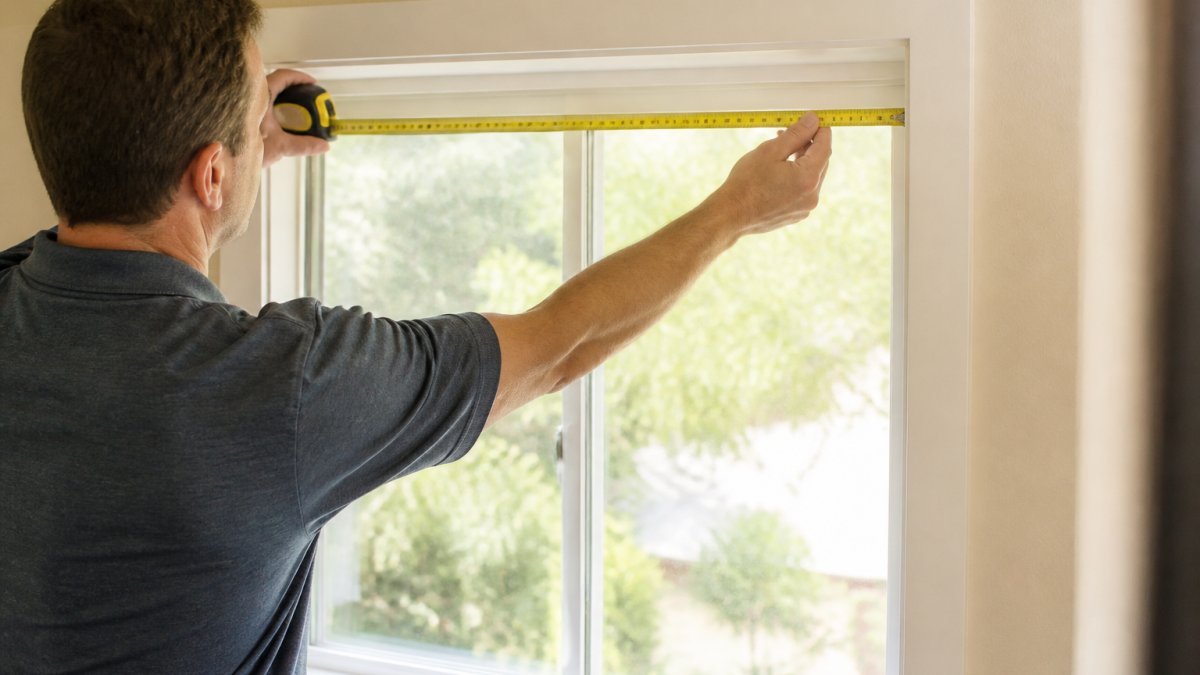
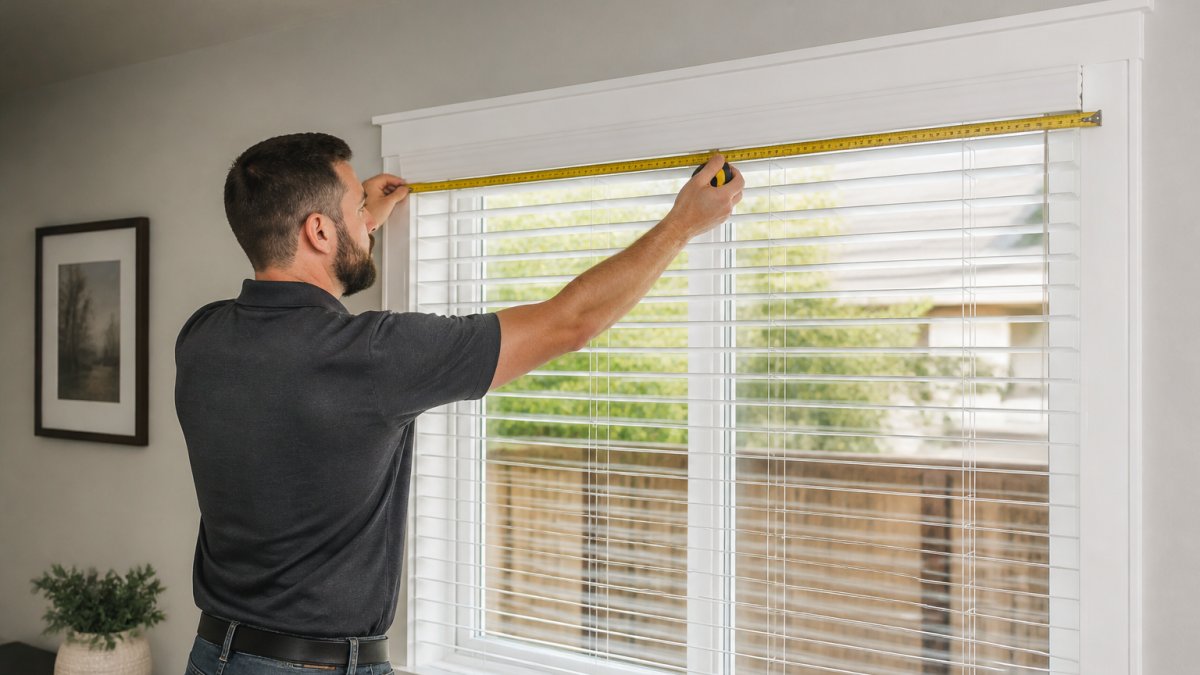
Accurate measurements are the foundation of a successful custom blinds installation. Measure width at three points, top, middle, and bottom, and record the smallest to prevent binding.
Next, measure height at three points, left, center, and right, using the smallest for inside mounts. For outside mounts, measure from where blinds should start to where they should end.
Write down every measurement twice and verify before ordering. Photos of each window with measurements noted on the frame become invaluable if questions arise.
Custom Blinds Measuring Guide: What Professional Installers Check
A professional measure goes beyond a homeowner measure: the installer measures the window and everything affecting whether the blind fits, operates, and stays level.
The Measurements a Pro Takes That You Probably Won't
Width at three points, minimum. Top, middle, and bottom of the opening.
Height at three points, minimum. Left, center, and right.
Frame depth. Inside mounts need enough depth for the headrail plus clearance for slats or shade operation, roughly 1.5 inches for many products.
Squareness. The installer checks the diagonals of the opening.
Obstructions. Crank handles, tilt-and-turn hardware, window locks, alarm contacts, and deep trim reduce usable space, the most common reason a homeowner-measured blind won't operate.
Mounting surface. For outside mounts, the installer checks whether the wall, trim, or header is solid enough to hold brackets under load.
Why the Smallest Number Wins
For inside mounts, use the smallest width and the tallest height. Picture a window a quarter-inch wider at the bottom: a blind cut to the wider number jams at the top, while one cut to the narrower number leaves a small gap, far easier to live with.
For outside mounts, the logic flips. You want the blind to overlap the opening on all sides, typically by at least an inch or two, so the governing numbers are the largest width and the tallest height plus your desired overlap.
The Mistakes That Cost the Most
- Measuring the old blind instead of the window. Old blinds may have been cut down or installed off-center.
- Measuring the glass instead of the frame. Inside mounts need the frame opening, not the visible glass.
- Forgetting the overlap on outside mounts, which leaves light gaps at the edges.
- Rounding to the nearest inch. Custom orders are built to the fraction you submit; rounding in the wrong direction is a permanent error.
- Measuring once. A second pass on a different day catches transcription mistakes.
What to Have Ready Before the Measure Appointment
Clear access to each window, moving furniture and decor from the sill. Note which windows to measure and in what priority order, and decide in advance between inside or outside mount since that changes what's measured. If you have a product or fabric in mind, have the sample or model number ready so the installer can confirm depth and clearance requirements.
A professional measure typically takes a few minutes per window, longer for arched, angled, or unusually deep openings. The output should be a written measurement sheet you can keep, whether or not you buy from that provider.
Professional Blinds Installation: The Complete Process
Professional custom blinds installation involves coordinated steps from measurement through final adjustment. It begins with an in-home consultation where specialists assess windows, discuss style preferences, and take precise measurements, typically 30-45 minutes.
What to Prepare Before Installation Day
Preparation ensures smooth installation without delays. Clear the area around each window, moving furniture and decor that might obstruct access. If blinds are currently installed, arrange removal beforehand or discuss options with your installer.
Ensure windows are clean and accessible, since installers need clear access to frames and surrounding wall space. Secure pets in another area, and flag any home-specific concerns like delicate trim, recently painted walls, or structural quirks.
Finalize color and style preferences beforehand, since last-minute changes complicate installation. Confirm your appointment the day before and ensure someone will be home to grant access.
What Happens During Installation
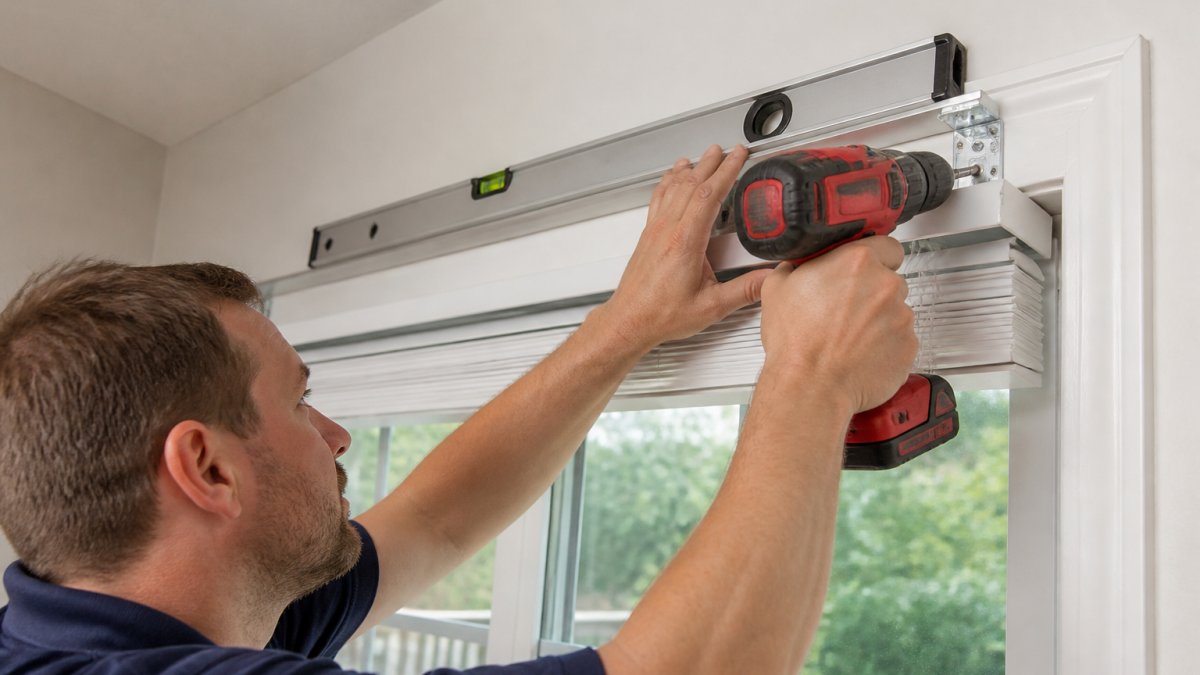
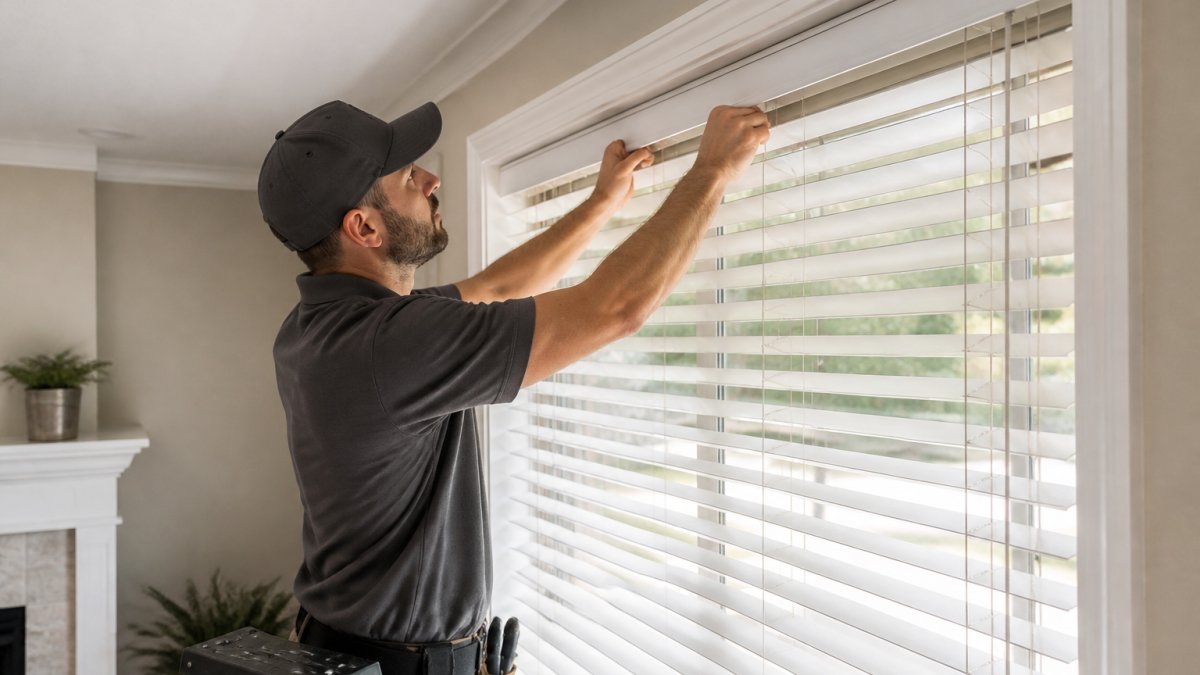
Mounting varies by blind style and mount choice.
Once brackets are installed, the blind assembly snaps into place. The installer tests raising, lowering, and tilting, then makes fine adjustments so the blind sits evenly and operates without resistance.
Custom Blinds Installation Cost: Understanding Your Investment
This section explains exactly which variables move a custom blinds installation quote up or down, so you can sanity-check any estimate.
The Two Line Items in Every Quote
Every legitimate quote splits into two parts:
- Product cost, the blinds themselves, priced by square footage of material, fabric or slat grade, and any operating system (cordless, continuous cord loop, wand tilt, or motorized).
- Installation labor, a per-window charge that reflects mount type, bracket complexity, and whether the installer also removes existing treatments.
When a quote lumps these together, ask for the split. It is the fastest way to tell whether you are paying for premium materials or premium labor.
What Actually Drives the Number
Window count. Labor is usually quoted per opening, so the tenth window costs less than the first because setup, tools, and travel are amortized.
Dimensions. Wide or tall windows require more material and, above a certain width, a heavier headrail needing extra brackets or center support.
Mount type. Outside mounts often require anchoring into drywall, plaster, or trim, sometimes needing studs or heavy-duty anchors.
Access and height. Second-story windows, windows above stairwells, and windows behind heavy furniture add time.
How to Compare Quotes Fairly
Two quotes for the same ten windows can differ by hundreds of dollars and still both be reasonable, because they may not include the same things. Before you compare, confirm each quote states:
- Whether product and labor are itemized
- Whether measuring is included or billed separately
- Whether old treatment removal and disposal are included
- Whether the price is locked after the in-home measure or subject to change
- What the warranty covers and for how long
Where the Money Actually Goes
A meaningful share of a custom blinds project is the measurement, fabrication to exact dimensions, hardware, and skilled labor to install it level and square. That's why custom-installed blinds cost more than stock sizes, and why paying for accurate measurement and competent installation is cheaper than replacing blinds ordered wrong.
For a project-specific number, request an in-home measure and a written, itemized quote. Any provider who will not put the scope in writing is worth skipping.
Choosing Your Window Covering Style
Your window covering style should reflect both aesthetic preferences and functional needs. Each style offers distinct advantages in appearance, light control, privacy, and maintenance.
Roller Shades for Modern Simplicity
Roller shades provide clean, contemporary lines for modern interiors, operating with a simple pull or motorized mechanism. Custom roller shades mount inside or outside the frame, adapting to virtually any window configuration, and come in fabrics from sheer to blackout.
Roller shades work well in kitchens, bathrooms, and contemporary bedrooms. They're easy to maintain with occasional dusting, and their minimalist aesthetic suits rooms where treatments should fade into the background.
Wooden Blinds for Timeless Elegance
Wooden blinds bring warmth and sophistication to traditional, transitional, and even modern spaces. Custom wooden blinds offer superior insulation, helping regulate room temperature and reduce energy costs, while the natural material ages gracefully.
Wooden blinds need slightly more maintenance, occasional dusting and gentle cleaning preserve their finish, but that care pays off in longevity. They're popular in living rooms, dens, and bedrooms where their elegance enhances the design.
Cellular Shades for Energy Efficiency
Cellular shades feature honeycomb-structured cells that trap air for exceptional insulation, a favorite in regions with significant temperature swings. They come in single-cell or double-cell configurations, with double-cell offering superior insulation.
Cellular shades also offer excellent light control and privacy, come in various opacities, and can feature motorized operation. They work throughout the home but particularly shine in bedrooms, where insulation contributes to better sleep.
Roman Shades for Refined Style
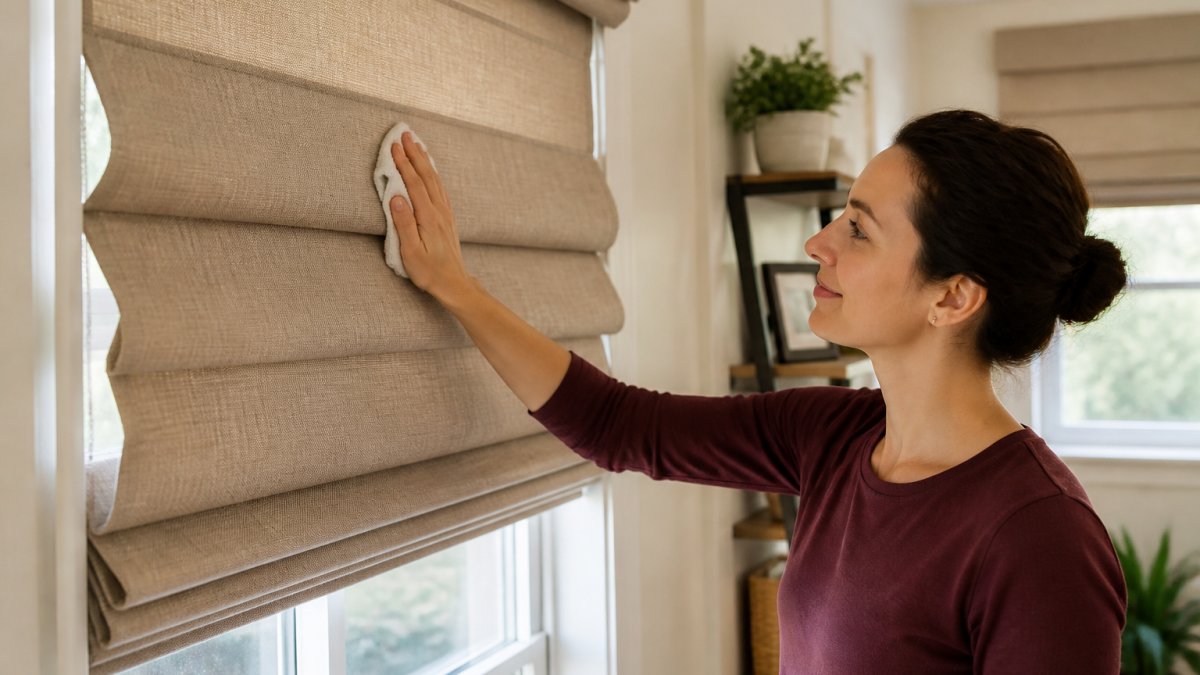
Roman shades fold into horizontal pleats when raised, creating an elegant, tailored appearance. They work beautifully with patterned fabrics, and custom Roman shades can feature decorative trim, contrasting linings, and specialty fabrics.
Roman shades work well in formal living rooms, dining rooms, and master bedrooms, making a design statement while maintaining functionality. Their refined aesthetic justifies the slightly higher cost versus simpler styles.
Why Local Expertise Matters
Working with a local custom blinds installation specialist means dealing with someone who understands your climate, architectural styles, and local preferences, translating to faster service, personalized attention, and accountability verifiable through community reputation.
Towersunitedblinds has built its reputation serving homeowners throughout the region with professional custom blinds installation service.
Local installers also offer scheduling and follow-up advantages: if adjustments are needed after installation, a local specialist responds quickly. You're working with real people in your community, not a distant call center.
Choosing the right custom blinds installation service requires balancing quality, expertise, and value. Towersunitedblinds combines extensive product selection with skilled installation expertise to transform your windows into beautiful, functional design elements, handling every detail from precise measurement through final adjustment.
Frequently Asked Questions
How much does professional blinds installation typically cost?
Custom blinds installation cost depends on the number of windows, blind type, mounting style, and any additional services like removal of existing treatments. Custom installation pricing varies. Contact Towersunitedblinds for a personalized quote based on your specific needs and window measurements.
How do I measure my windows for outside mount blinds?
For outside-mount installation, measure the width of the wall or trim area where the blind will sit, then add 1-2 inches on each side for proper coverage. Measure the height from just above the window frame to your desired drop point. Use a steel measuring tape, record measurements at three points (top, middle, bottom), and note any obstacles like baseboards or trim that might affect installation.
What should I prepare before a blinds installer arrives?
Clear the window area of furniture, decorations, and obstacles so the installer can access walls and windows easily. Remove existing blinds or curtains beforehand if possible. Ensure adequate lighting in the room and protect flooring if needed. Have your window measurements or consultation notes ready, and confirm the installation appointment details the day before.
Is professional blind installation worth the cost?
Professional installation ensures blinds are measured accurately, mounted securely, and function properly, avoiding common DIY mistakes like uneven installation or wall damage. Installers have the right tools and expertise to handle unusual window sizes and tricky mounting situations. For custom blinds representing a significant investment, professional installation protects your product and guarantees lasting satisfaction.