 listicle
7 Energy Efficient Blinds for Oregon Homes That Cut Heat Loss
Last Updated: October 26, 2026
Quick Summary
Energy efficient blinds for Oregon homes work best when matched to window orientation: double-cell cellular shades cut heat loss on north- and east-facing windows, while solar shades control summer heat gain on west- and south-facing glass. Fit and timing matter as much as fabric, so seal gaps and lower shades before the afternoon sun or dusk.
- Cellular shades trap insulating air in honeycomb cells, and double-cell construction adds a second trapped layer.
- Lower solar shades on west windows before the afternoon sun hits, not after the room warms.
- Inside mounts seal better on true frames, but outside mounts cover more frame on older windows.
- Ask whether a product carries an AERC rating and get that rating in writing.
- Confirm Energy Trust of Oregon eligibility before ordering, since rules and amounts change.
Table of Contents
- Why Energy Efficient Blinds Matter for Oregon Homes
- 1. Energy-Efficient Cellular Shades: The Insulation Leader
- 2. Window Treatments to Reduce Heat Gain: Solar and Roller Shades
- 3. Best Blinds for Heat Loss: Woven Woods, Shutters, and Sheers
- Matching Coverings to Window Orientation and Room Use
- Installation Details and Operating Habits That Affect Efficiency
- Energy Trust of Oregon Window Incentives and What Qualifies
- Book a Free In-Home Consultation for Custom Blinds
- Frequently Asked Questions
Why Energy Efficient Blinds Matter for Oregon Homes
Oregon's climate is a study in extremes, and your windows are where that fight plays out. Long, gray, damp winters pull heat out of a house, while dry, bright summers push heat in through west- and south-facing glass.
At Towersunitedblinds, we fit homes across Troutdale and the wider region, and the pattern we see is consistent: the right window treatments do more than look good. They cut heat loss on cold nights, block heat gain on hot afternoons, and give you light control and daytime privacy in the same product.
1. Energy-Efficient Cellular Shades: The Insulation Leader
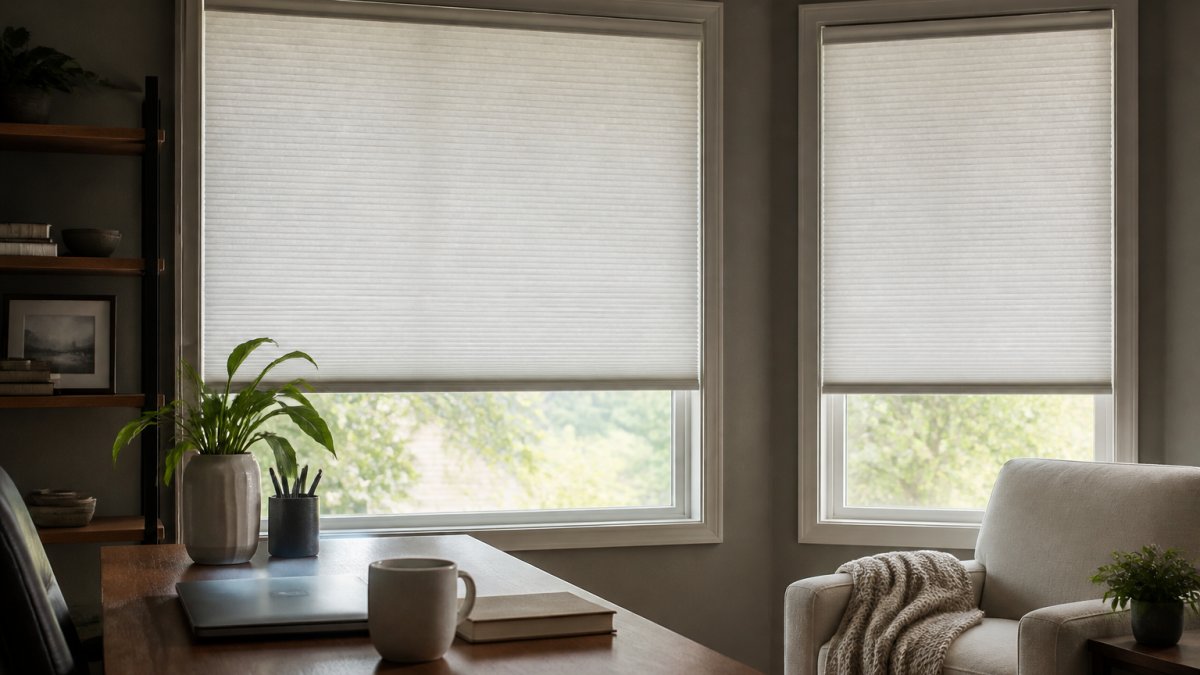
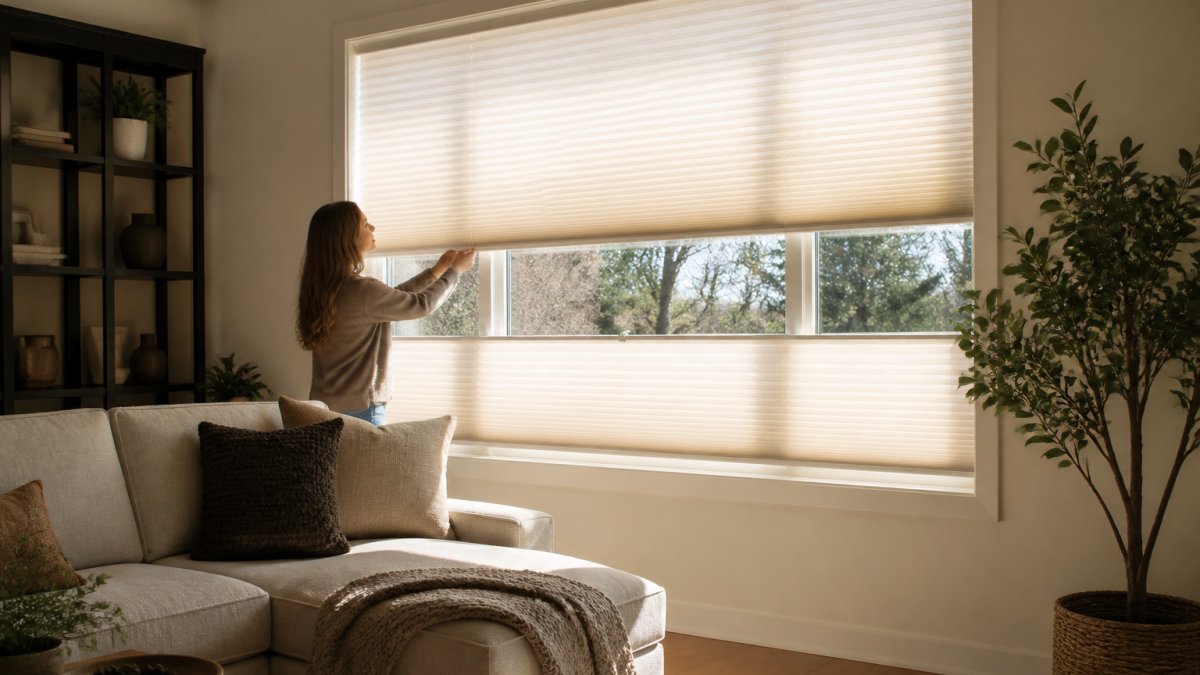
Energy-efficient cellular shades are the best single choice for cutting heat loss through windows, because their honeycomb construction traps a layer of air between the glass and the room.
The design detail that matters most is cell size and pleat depth. A larger, deeper cell holds more insulating air, while a double-cell construction adds a second trapped layer. For Oregon winters, we generally steer homeowners toward the thicker constructions on the coldest-facing windows.
If you are still deciding between this and a flatter option, our comparison of roller shades vs. cellular shades goes deeper on how each performs for efficiency.
Best for: bedrooms and living rooms on north- and east-facing walls. Skip if: you want an unobstructed view during the day and never lower the shade.
2. Window Treatments to Reduce Heat Gain: Solar and Roller Shades
Window treatments to reduce heat gain work by filtering or reflecting sunlight before it turns into indoor heat. Solar shades are the standout here. Their woven, open-weave fabric blocks glare and UV while preserving some outward view, which makes them a natural fit for west-facing rooms that bake in July and August.
Roller shades take a different approach. A tightly woven or light-colored roller shade reflects more solar energy and can be fully raised when you want the view.
The operating habit that makes these work is timing. Lower solar shades on west windows before the afternoon sun hits, not after the room has already warmed. That one change does more than any fabric upgrade.
Best for: west- and south-facing rooms with strong afternoon sun. Skip if: your main goal is retaining heat on cold nights.
3. Best Blinds for Heat Loss: Woven Woods, Shutters, and Sheers
The best blinds for heat loss combine a tight barrier with a still air gap, and three options do this well without looking like insulation panels.
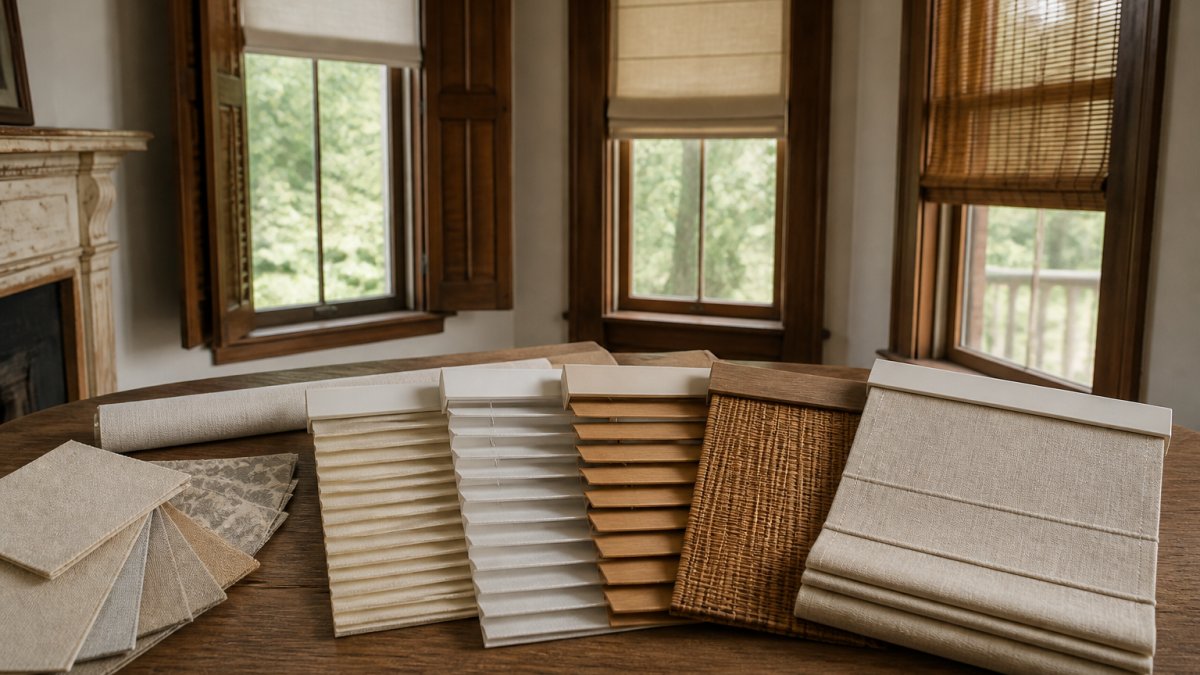
Woven woods bring natural texture and, when lined, add a real thermal layer behind the weave. They suit living and dining rooms where appearance matters as much as performance.
Shutters are the most structurally solid option.
Sheers are the lightest option. On their own they do little for heat loss, but layered behind a heavier treatment they add a subtle extra barrier and soften harsh light.
A common mistake is buying a beautiful natural-weave shade with no lining and expecting winter performance.
Best for: homeowners who want performance without a purely functional look. Skip if: you need maximum insulation on a tight budget.
Matching Coverings to Window Orientation and Room Use
Orientation decides more than style ever will, but the more useful exercise is comparing covering types against each other on the dimensions that actually matter: insulation value, light control, view retention, and durability. Here is how the main options stack up before you match them to a wall.
| Covering type | Insulation (heat loss) | Summer heat gain control | Light control | View retention | Best use case |
|---|---|---|---|---|---|
| Cellular / honeycomb shades | Strongest of the fabric options; double-cell adds a second trapped air layer | Moderate; depends on openness of fabric | Excellent, especially top-down/bottom-up | Low when lowered | Bedrooms, north- and east-facing windows, cold-night rooms |
| Plantation shutters | Strong; rigid frame and tight louvers create a durable barrier | Good; louvers can be angled to block direct sun | Excellent | Moderate; louvers partially open | Living areas, high-use windows, long-term durability |
| Solar shades | Low once sun is down | Strong; open-weave fabric filters glare and UV | Good | High; outward view preserved | West- and south-facing rooms with afternoon glare |
| Roller shades | Low to moderate | Good when tightly woven or light-colored | Good | High when raised | Rooms where a clean look and view matter |
| Woven woods (lined) | Moderate; lining adds a real thermal layer | Moderate | Good | Low to moderate | Dining and living rooms where appearance matters |
| Sheers | Minimal alone; adds a layer when paired | Minimal | Softens harsh light | High | Layering behind a heavier treatment |
Room use follows the same logic. Bedrooms want insulation and darkness, so cellular shades with a room-darkening option fit. Kitchens and bathrooms need moisture-tolerant materials, which points toward shutters or synthetic fabrics over natural wood. Living rooms usually balance view, light, and insulation, where top-down/bottom-up shades earn their keep. Older homes with out-of-square windows often benefit from an outside mount that covers more of the frame, even though an inside mount seals better on a true, deep frame.
Installation Details and Operating Habits That Affect Efficiency
Fit is where efficiency is won or lost.
Measurement accuracy matters just as much. Before ordering, review how to measure windows for custom blinds, and if you are going with an outside mount, follow the specific steps in our outside mount measuring guide.
Habits finish the job. Lower insulating shades before dusk in winter to trap heat, and raise them on sunny winter days to let free solar warmth in. In summer, close west-facing shades before the afternoon peak.
Watch out: skipping professional measurement on older, out-of-square windows is the most common reason a new shade never seals properly, leaving gaps that quietly cancel the insulation you paid for.
Energy Trust of Oregon Window Incentives and What Qualifies
Most articles on this topic wave at 'rebates' without explaining what a program actually looks at. That is the part worth slowing down for, because the qualification logic tells you which product to buy before you ever fill out a form.
Start with the rating, not the style. Window attachments are rated for thermal performance by the Attachments Energy Rating Council (AERC), which assigns an attachment energy rating (AER) based on tested heat flow through the combined window-plus-attachment assembly. AERC ratings let a program, or a homeowner, compare a cellular shade, a roller shade, and a shutter on the same scale instead of on marketing claims.
Separate heat-loss reduction from bill savings. A covering can meaningfully reduce heat flow through a window and still produce a modest dollar savings, because windows are only one part of a home's envelope and because savings depend on climate, window condition, thermostat habits, and fuel type. AERC and the U.S. Department of Energy both frame attachment performance in terms of reduced heating and cooling load, not guaranteed bill reductions.
What Energy Trust of Oregon typically asks for. Energy Trust of Oregon is the state-backed source homeowners check for efficiency offers, and its window-related programs have historically centered on envelope improvements and qualifying products rather than on decorative treatments alone. Because program rules and amounts change, confirm current eligibility directly with Energy Trust of Oregon before you buy, but do the confirmation before ordering, not after.
A practical pre-purchase checklist:
- Ask whether the product carries an AERC rating, and get the rating in writing.
- Keep the spec sheet, order confirmation, and receipt, programs routinely require them.
- Ask your installer what performance documentation they will provide for a rebate submission.
- Confirm whether the program covers the attachment itself, installation labor, or both.
- Check whether an income-qualified or enhanced tier applies to your household.
If you have questions about how incentives interact with your project, our frequently asked questions page covers the common ones.
Book a Free In-Home Consultation for Custom Blinds
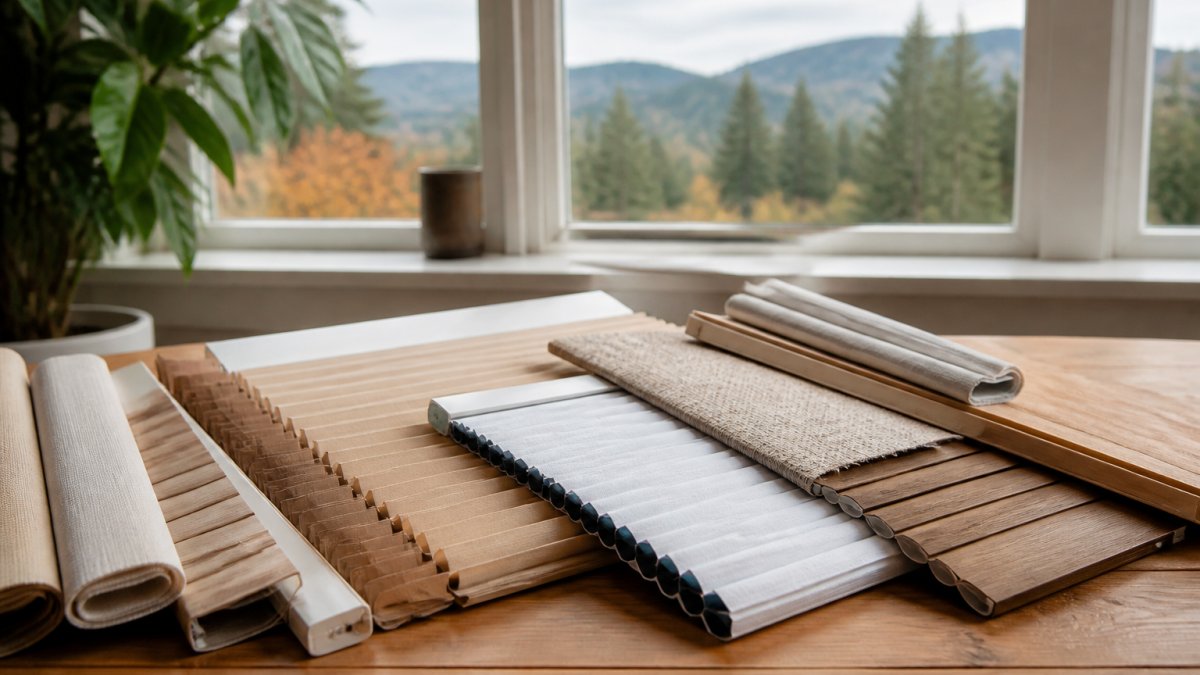
The fastest way to get this right is to have someone measure your actual windows and match coverings to each room. At Towersunitedblinds, we bring cellular, roller, wooden, and Roman options to your home, size them to your windows, and explain which fit each orientation best. You can browse the full range of window coverings before we arrive.
Our customers tell us the process stays simple: "The team at Towersunitedblinds was professional, efficient, and the quality of their work is outstanding." We handle tricky older windows and odd sizes so you avoid light gaps, and we stand behind the fit.
Frequently Asked Questions
What type of blinds are most energy efficient?
Cellular (honeycomb) shades rank as the most insulation-focused option because their trapped air pockets slow heat transfer through the window. Woven woods, shutters, and layered sheers also help, but cellular construction is the one most often singled out for thermal performance. For Oregon homes with single-pane or older windows, pairing cellular shades with proper side channels and a tight fit delivers the biggest gain. Ask for AERC-rated products so you can compare Cool and Warm Climate Ratings before you buy.
Do cellular shades help keep a home warm in winter?
Yes. The honeycomb cells trap a layer of air between the fabric and the glass, which slows heat loss from a warm room to a cold window. That matters in western Oregon, where winter evenings are cool and damp. Close energy-efficient cellular shades at dusk and open them on south-facing windows during sunny afternoons to capture free solar warmth. Keep the shade's bottom rail close to the sill so cold air does not spill down into the room.
Can blinds reduce heat gain from sunlight?
They can, especially on west- and south-facing windows that collect afternoon sun. Solar roller shades filter light and block a large share of UV rays, while woven woods and light-colored cellular shades reflect some of the sun's energy before it warms the room. The biggest factor is using window treatments to reduce heat gain correctly: lower them before the sun hits the glass, not after the room is already warm. Exterior shading, tight side channels, and top-down/bottom-up operation improve results further.
Are blinds or curtains better for energy efficiency?
It depends on fit and fabric. Heavy curtains can insulate, but they often leave gaps at the top and sides where air circulates. Made-to-measure blinds and shades that sit close to the glass, especially cellular shades with side channels, typically seal better and give more predictable thermal performance. For the best blinds for heat loss, prioritize a snug custom fit over fabric weight alone. Many homeowners combine both: a cellular shade for insulation and a decorative curtain for style.
Do energy-efficient blinds qualify for utility incentives?
Some programs do, but qualifying rules vary. Energy Trust of Oregon window incentives generally focus on window and insulation upgrades rather than coverings alone, so check current eligibility before you buy. Keep your product documentation, AERC ratings, and receipts, since rebate applications often require proof of specifications. A local installer can tell you which products and installations meet program requirements and help you submit the paperwork correctly.
Your windows are working against your energy bills every season, and the right coverings turn that around. Let us measure, recommend, and install energy efficient blinds built for your home. Get started with Towersunitedblinds and cut heat loss room by room. Call us today.